This summer I took part in a UCA summer school in animation, allowing me to develop some skills using stop motion animation to make my art work come alive.
The Road Not Taken
By Robert Frost
Two roads diverged in a yellow wood,
And sorry I could not travel both
And be one traveler, long I stood
And looked down one as far as I could
To where it bent in the undergrowth;
Then took the other, as just as fair,
And having perhaps the better claim,
Because it was grassy and wanted wear;
Though as for that the passing there
Had worn them really about the same,
And both that morning equally lay
In leaves no step had trodden black.
Oh, I kept the first for another day!
Yet knowing how way leads on to way,
I doubted if I should ever come back.
I shall be telling this with a sigh
Somewhere ages and ages hence:
Two roads diverged in a wood, and I—
I took the one less traveled by,
And that has made all the difference.
Part A – Explore Art’s as a participant
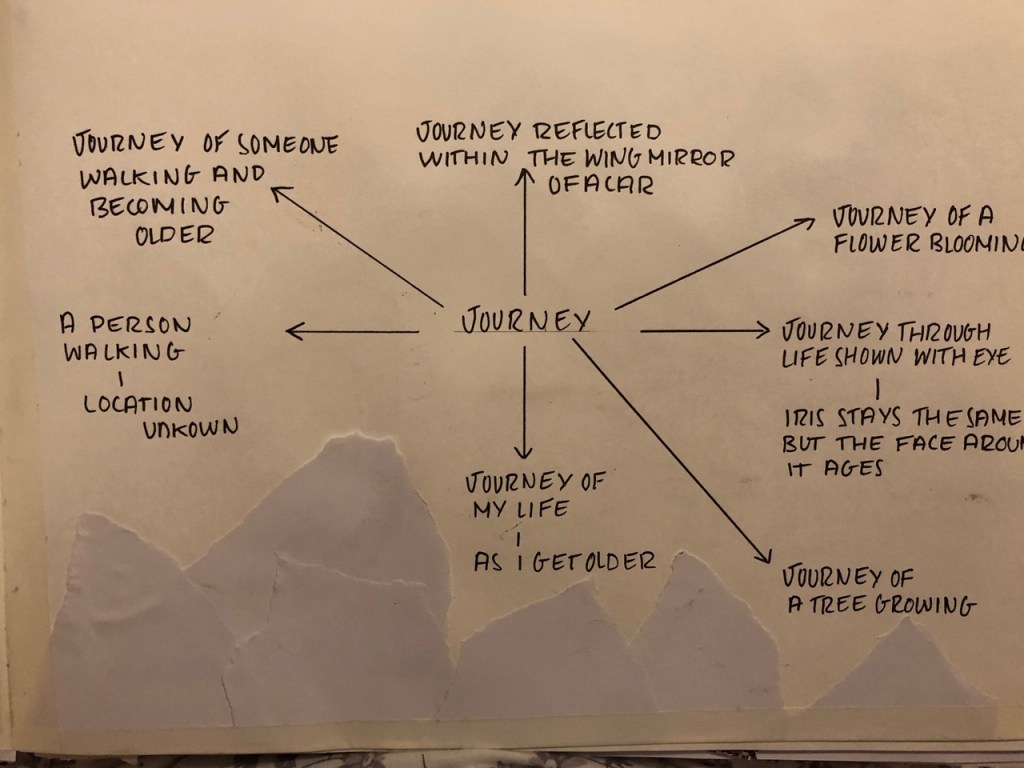
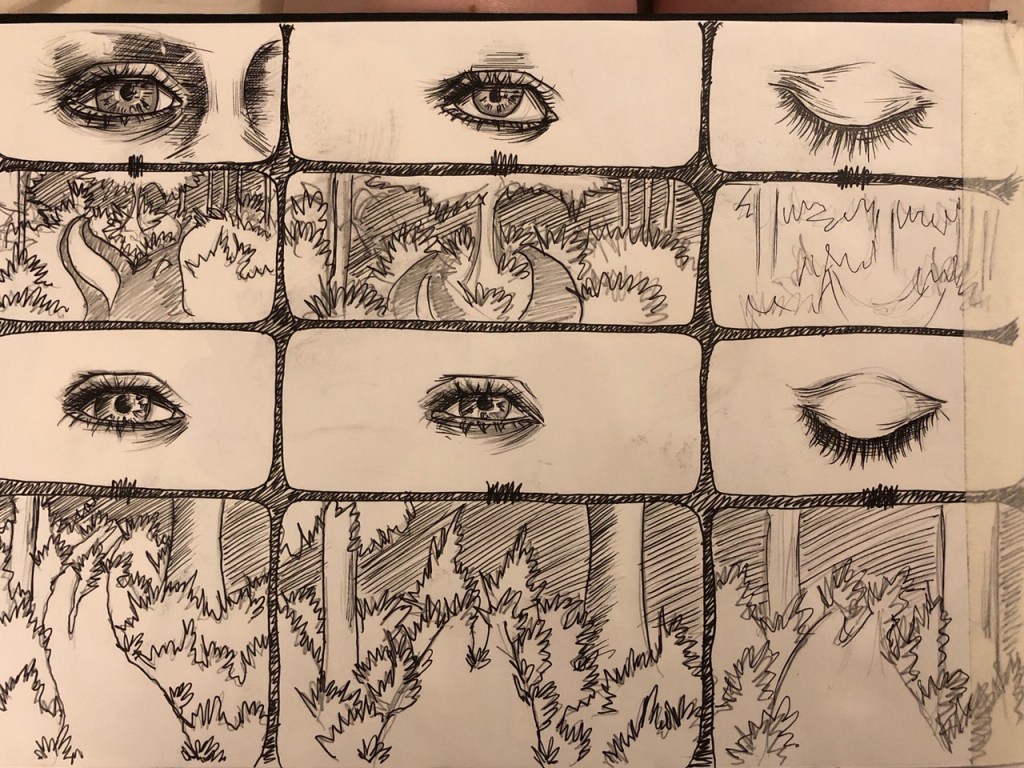
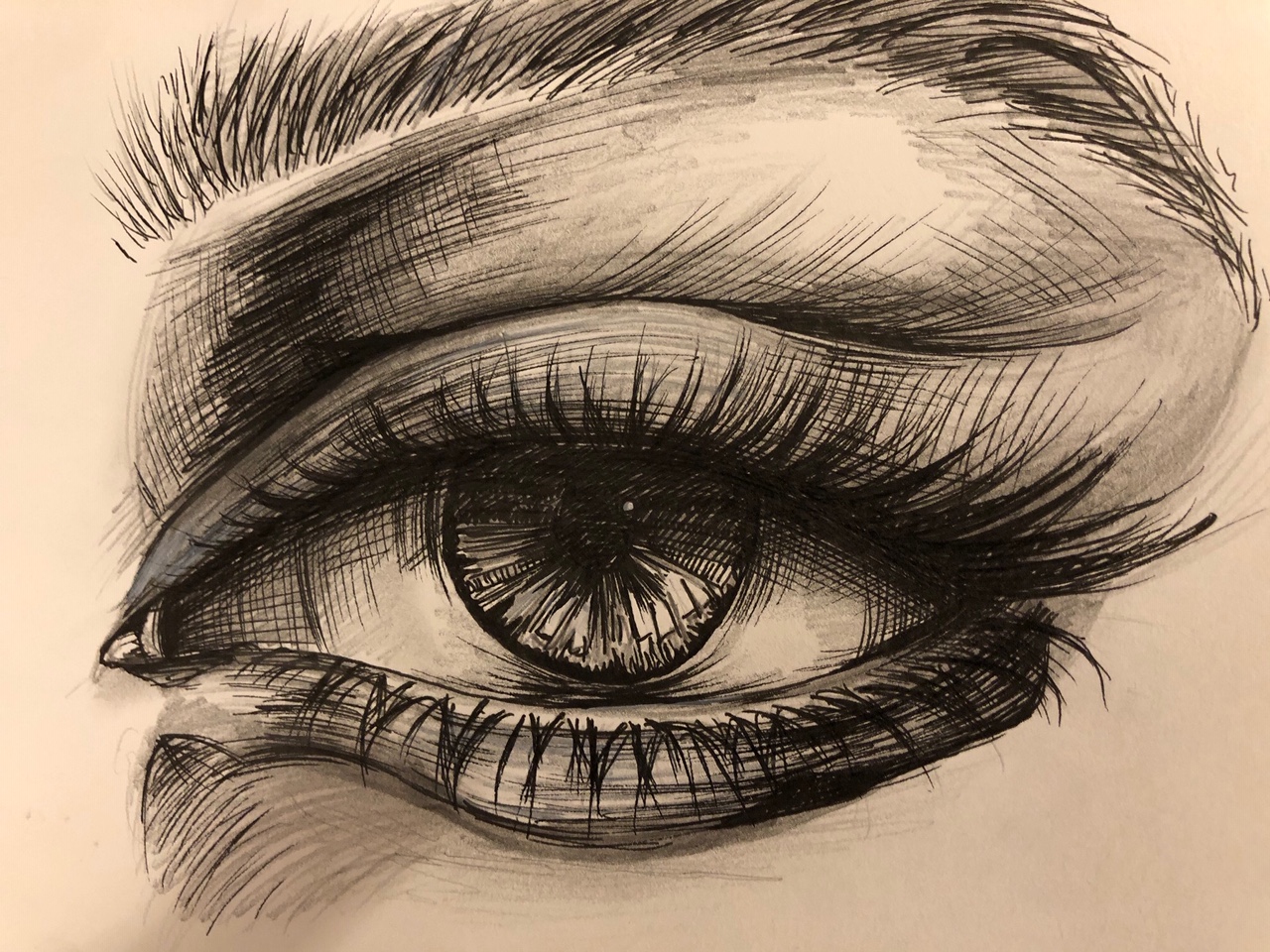
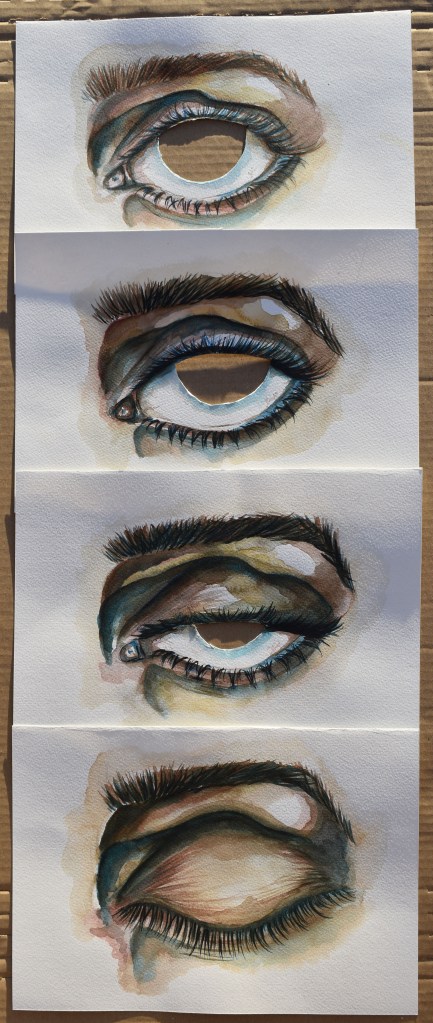
I began my exploration into the journey theme by creating a mind map of several different possible approaches that I could take. I initially explored the idea of drawing images from photographs of myself as I aged from a baby through to a toddler. However, I was not pleased with the outcome and chose a different approach to the task. This involved me using the poem by Robert Frost – ‘The road not taken.’ I decided to try and capture the journey depicted within the poem through the eye of the beholder. The animation would take the form of a blinking eye reflecting the path in front of it. To support my visual image making I took some of my own photography in some woods near where I lived to capture the subject of my animation. I edited these on Photoshop. In addition, I explored shadows of human forms on the path in front of me, which I also took some of my own photography for as references. From that point I began to develop my storyboard, from which the eye became the significant feature. I then began to develop a number of observational studies of the eye which I then reproduced in water colour a number of times to create the animation of the blinking eye. Once I had created 4 paper cut outs of each stage of the eye blinking, I cut out the iris to enable the viewer to see the wood images through the eye of the beholder. I created two different woodland scenes which were then moved as the animation was produced to suggest the person was walking and to show the journey along the path.
Throughout the process of making my animation I refined my observational drawing and my ability to draw an eye accurately. I was really pleased with the final outcome, in that the stop motion appeared to capture the movement of walking along the path. Initially I found physically shooting for my stop motion tricky in terms of lighting and capturing exactly the image I wanted the viewer to see through the eye.
Part C – Arts Inspiration
The Animated Paper World of Ollanski and Cris
I decided that as I wanted to use watercolour illustrations as the basis for my stop motion animation. As such I wanted to research other animators who had used similar techniques. I discovered a partnership between a paper engineer and a stop motion animator that I could use to influence my own work. Both of these artists are based in Berlin and have been working together for the last two years. They state that working together is a ‘match made in paper heaven’ for both of them. The paper engineer, Ollanski was originally a molecular neurobiologist but dropped out of his PHD to become an illustrator and paper engineer. Cris is a stop motion animator who grew up in Sao Paulo before moving to Berlin where he met Ollanski. Working in partnership, they have produced paper based animations for Pepsi, Disney and the Fast company. They have animated lots of different objects. In addition to working together, they both maintain their own independent careers.
The two examples of work that they produce that I have chosen to use demonstrate how simple paper cut outs can be used to make effective animations. I particularly like the layers in the paper sculpture of the city-scape which gave me the idea of creating layers of eye imagery for a blinking stop motion.
Ideas – Sketches and Own Photography
From all of the research that I completed I decided I wanted to create an animation of an eye opening and closing; linking to my personal project and inspired by the poem ‘The Road Not Taken’ by Robert Frost. The idea was to show the journey of the person in the poem through the reflection in the eye; I wanted the eye to open and close as you watched the person travel down the path that they chose as if the viewer were the one walking.
My Story Board
My Sketches and Own Photography
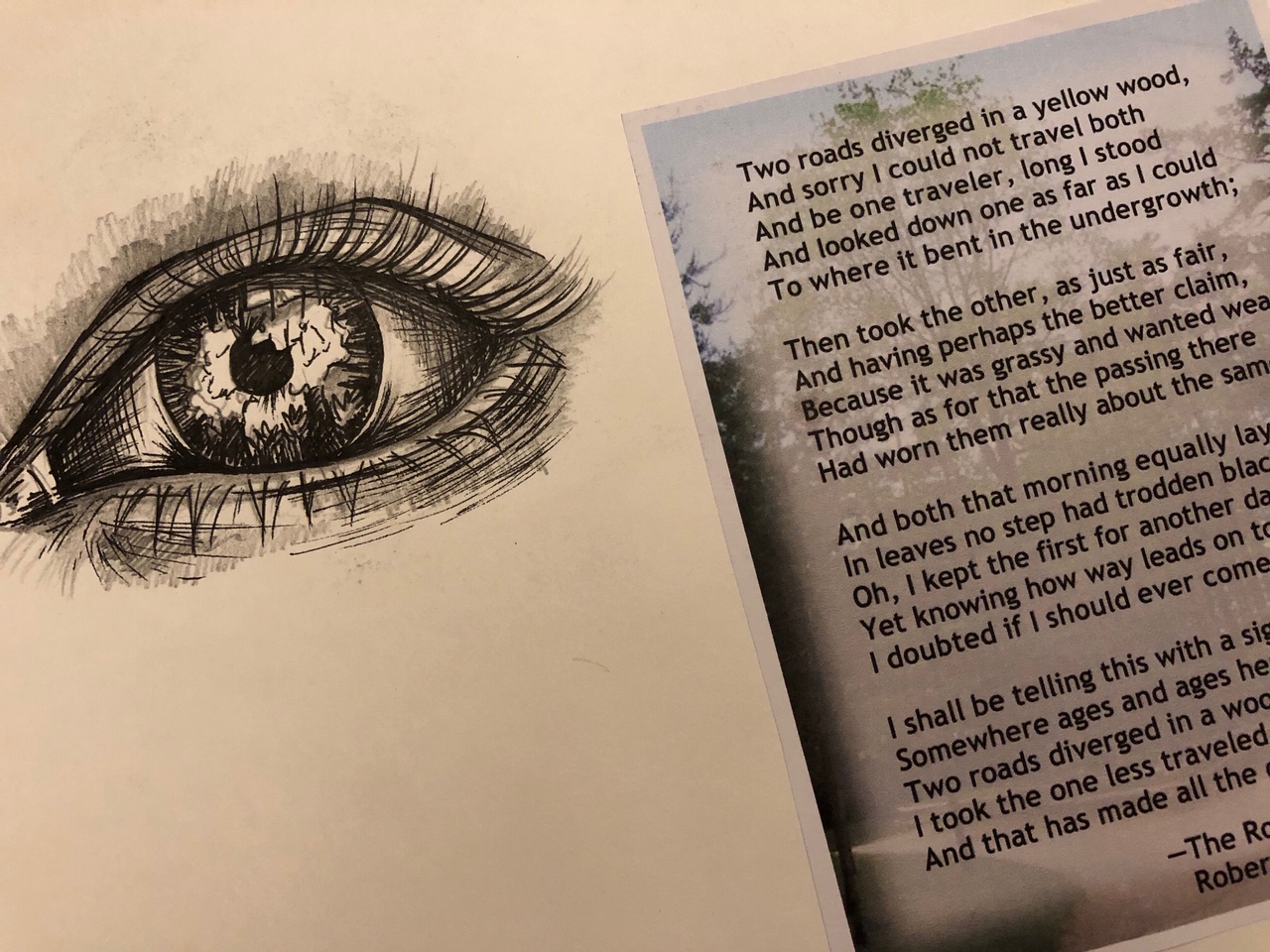
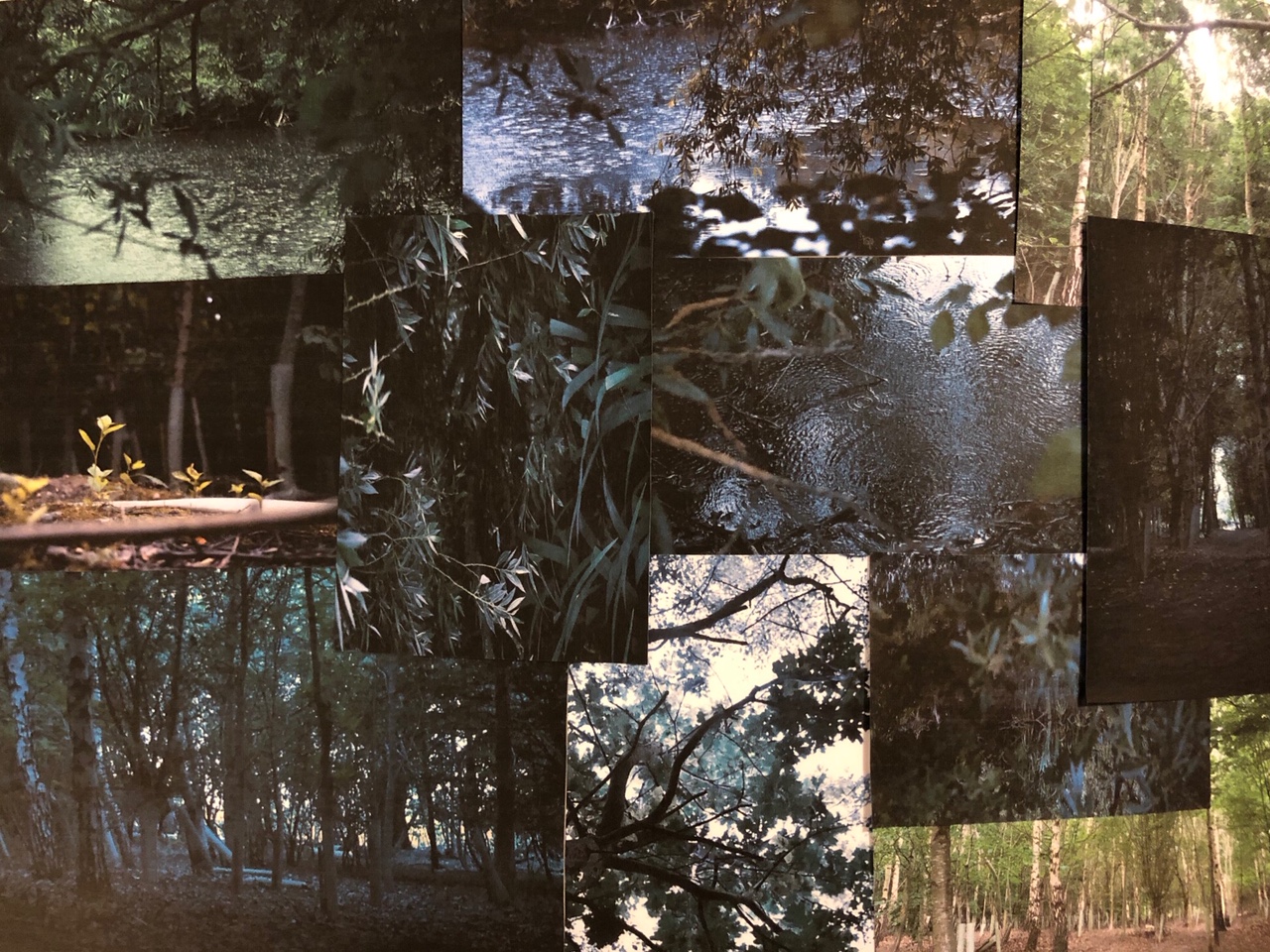
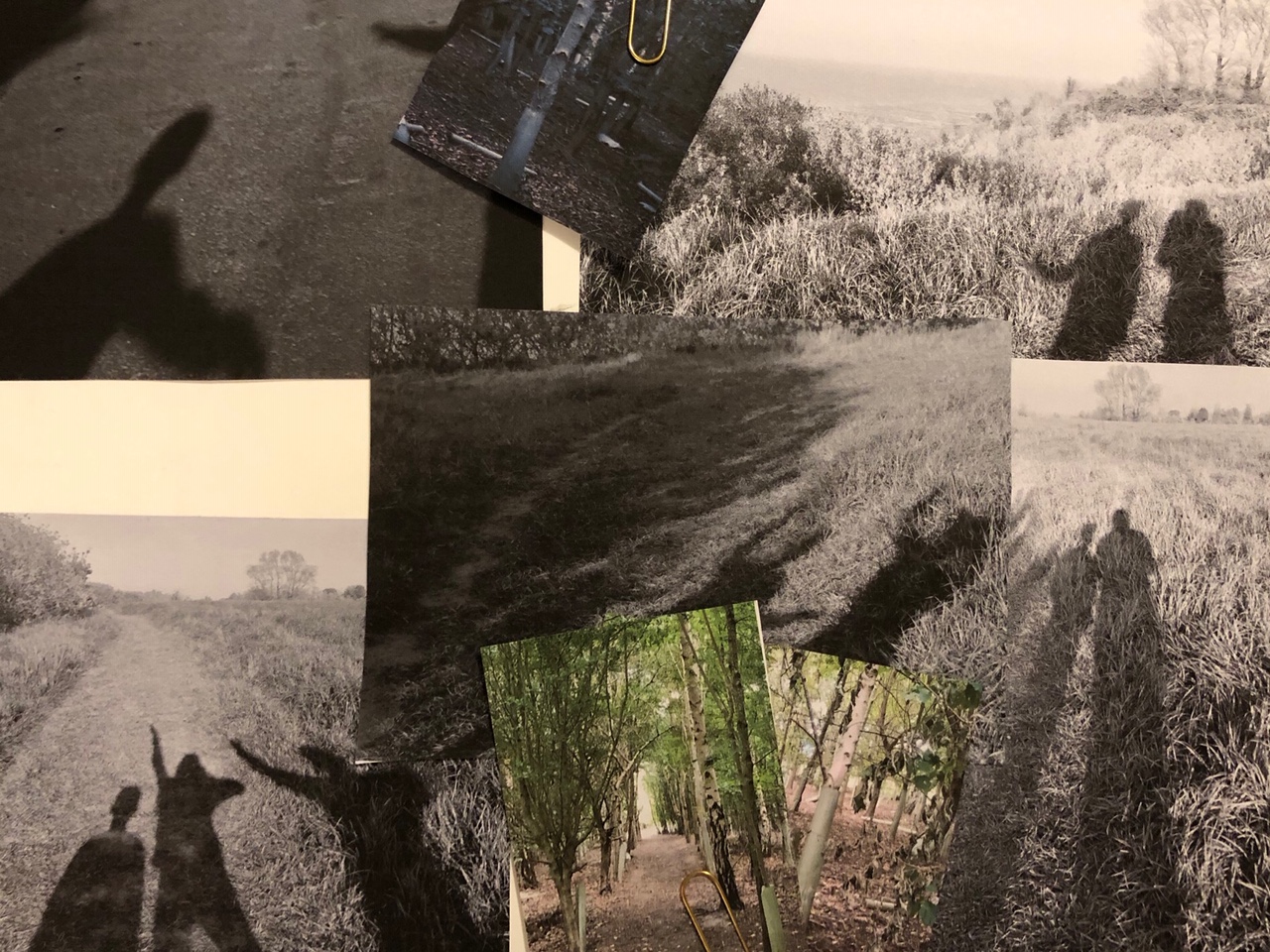
My Stop-Motion Animation
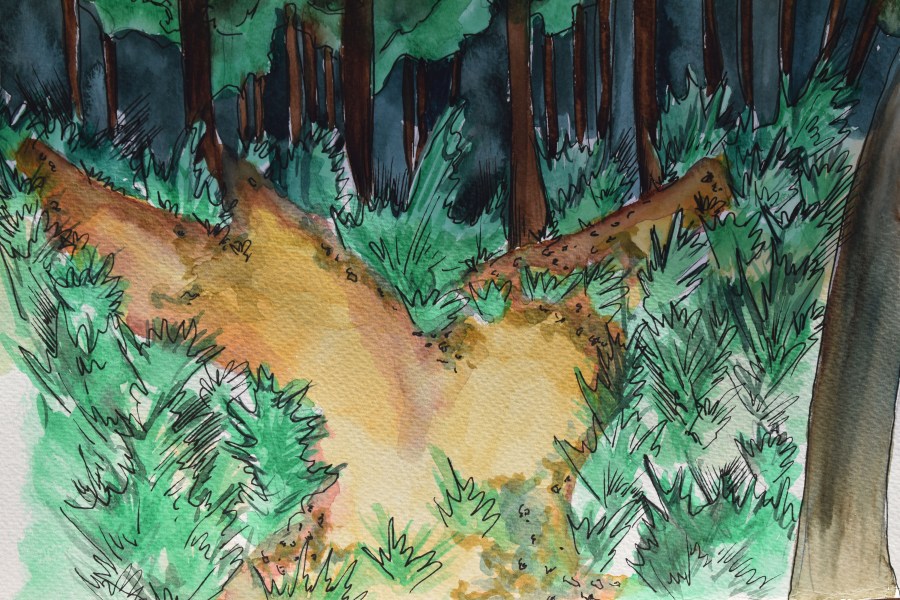
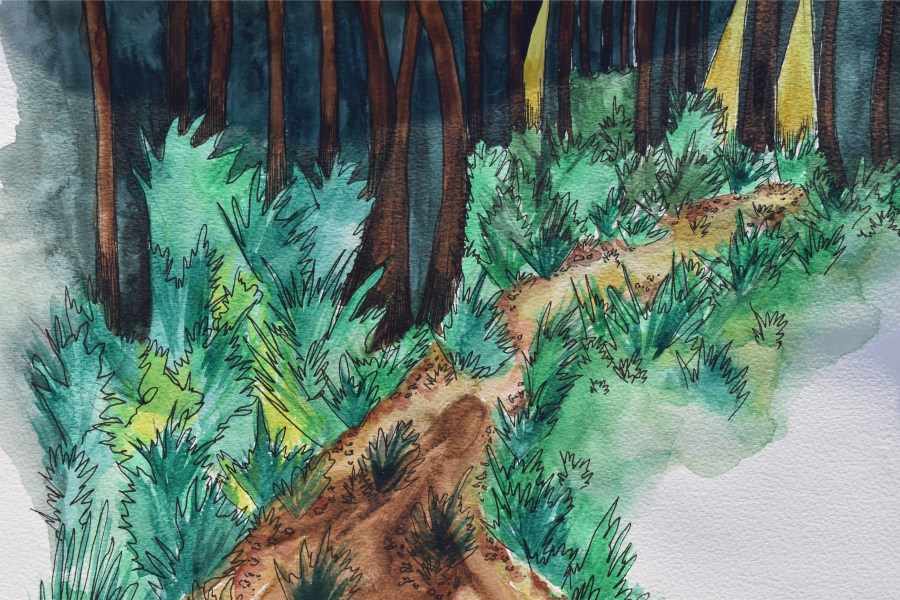
When I began created my animation I wanted to use the medium watercolour. The idea was to paint four different eyes in four different stages of blinking, with one eye completely closed and one eye open; so when I created the stop motion I could rotate through the different eyes to create the illusion that the eye was blinking. I then cut a hole in the eye where the iris should be and illustrated two backgrounds depicting the forest in which there are two paths, just like Frost states in the poem. I wanted to place the background behind the eye so you could see it through the iris, showing what the person would see as they were walking within the reflection of the eye.
The idea was that when I took the photos and rotated between the different eyes I could move the background closer to the eyes ever so slightly between takes, to create the illusion that the person was walking through the forest. To further the illusion I moved the background from side to side every time I took a photo, to mimic the movement that a person would create when walking.
Bellow are the watercolour illustrations that I created.

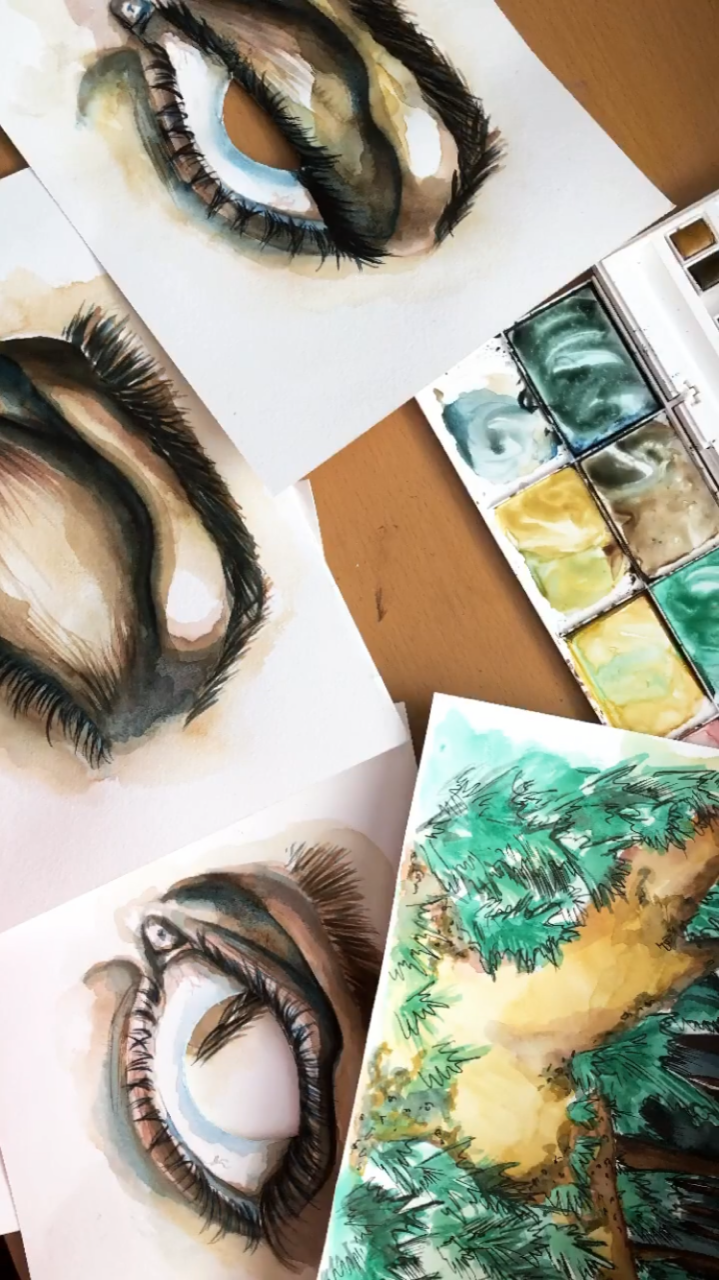
My Backgrounds
 Ellen Louise McDermott