Cinematic Surrealism




































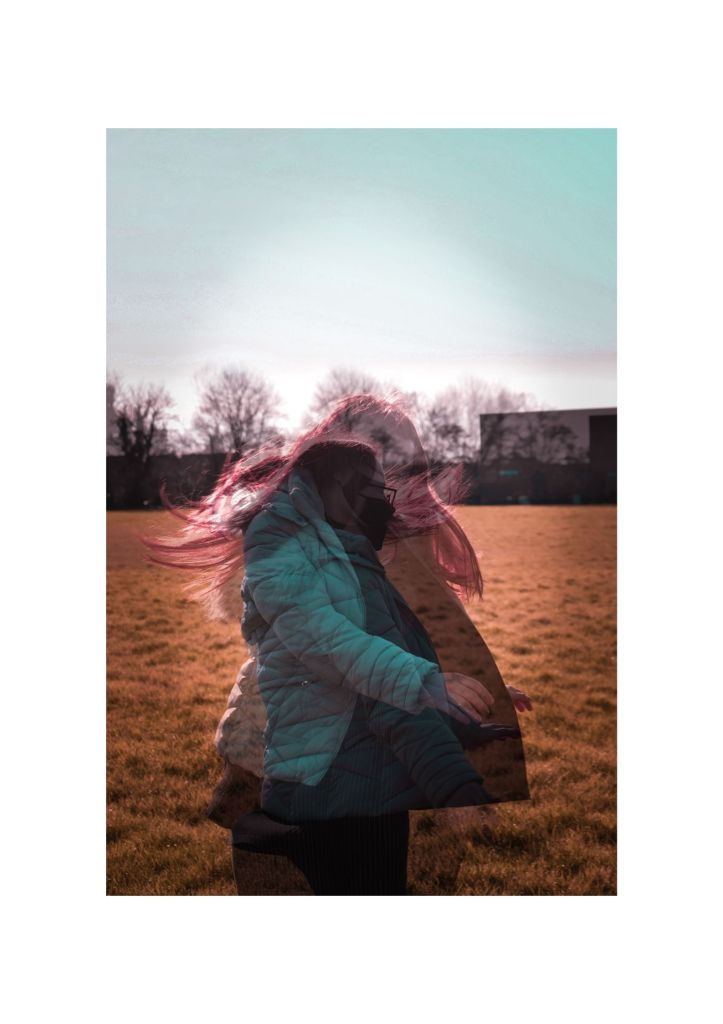
Cinematic Surrealism Evaluation
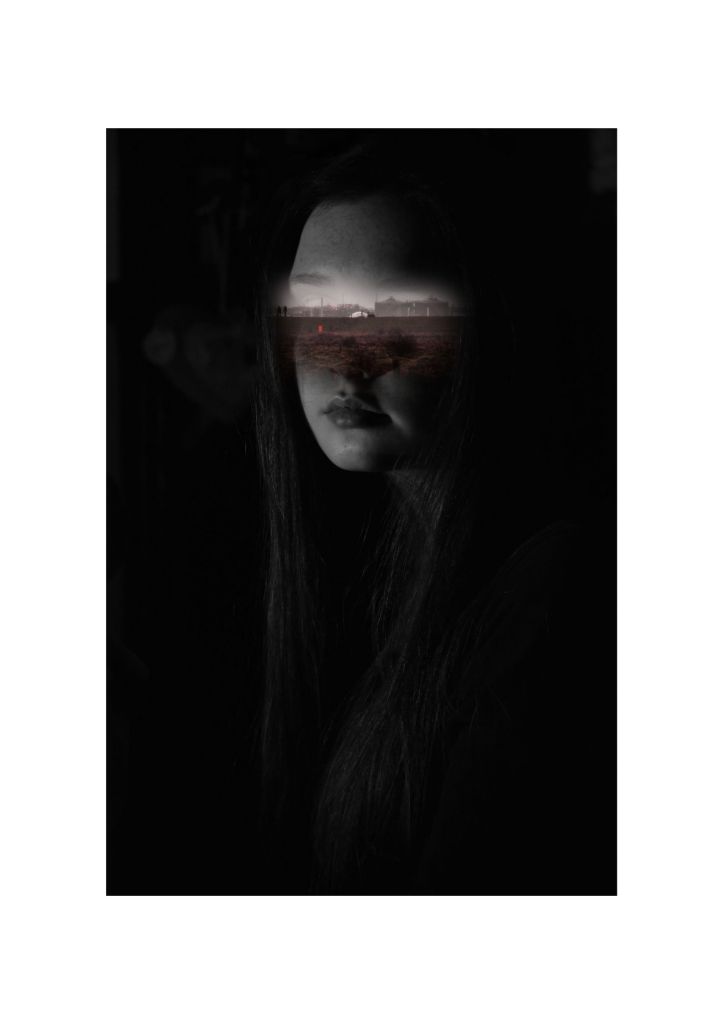
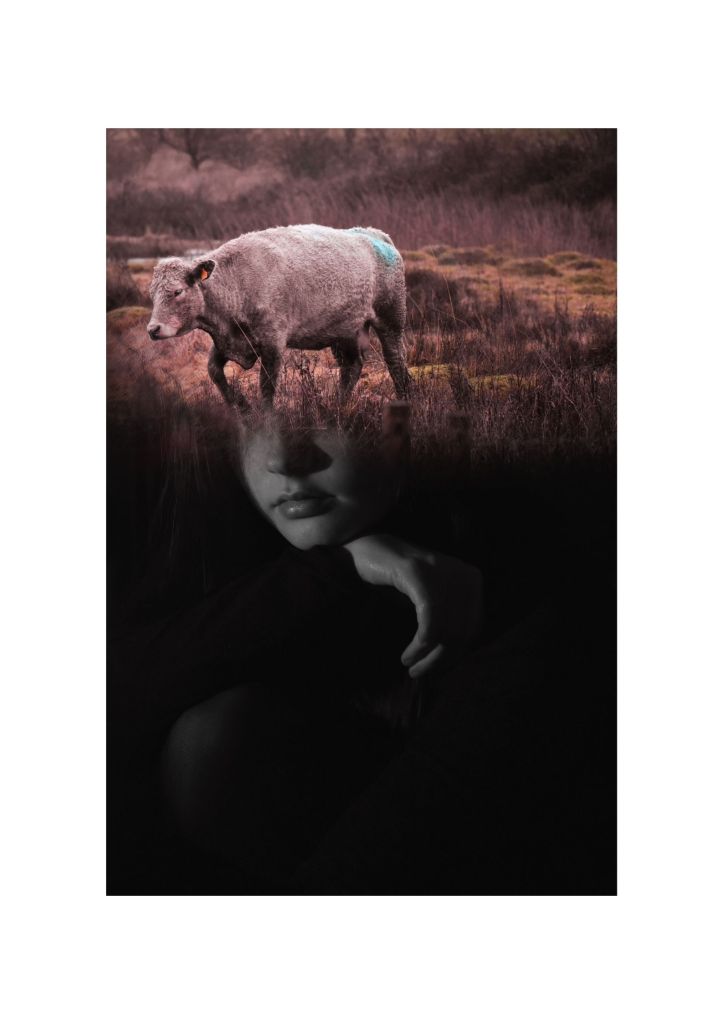
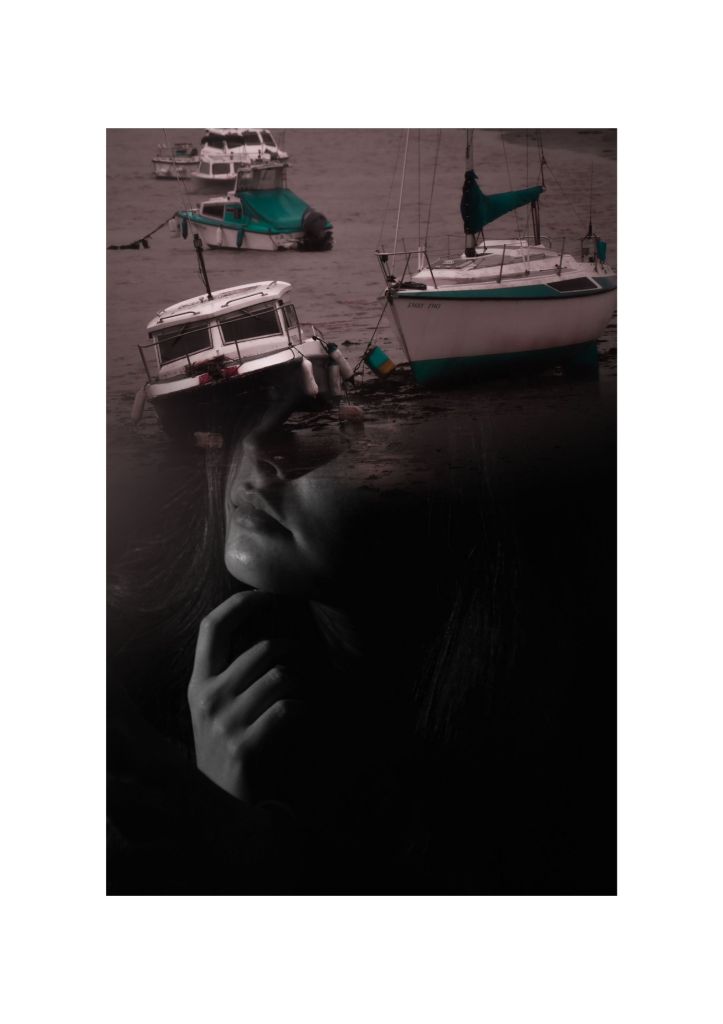
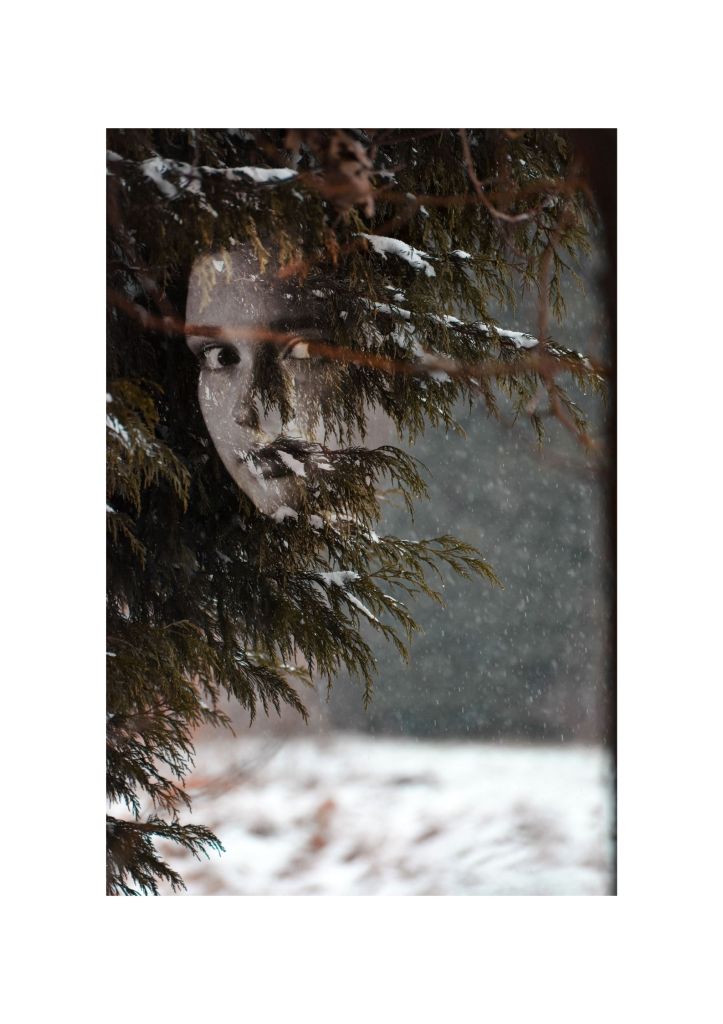
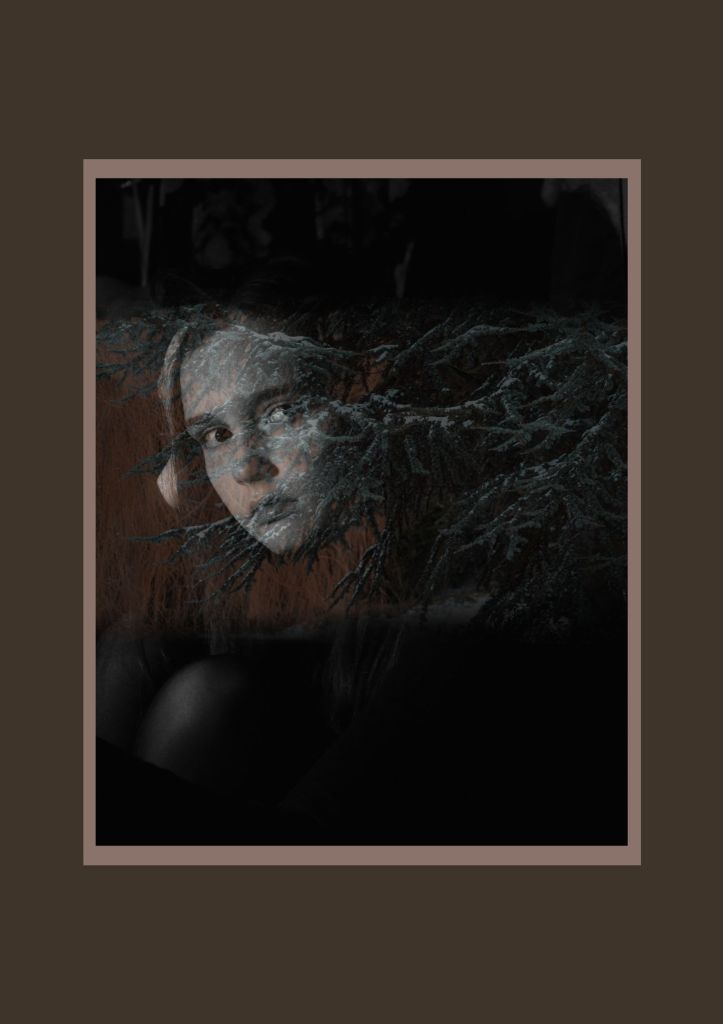
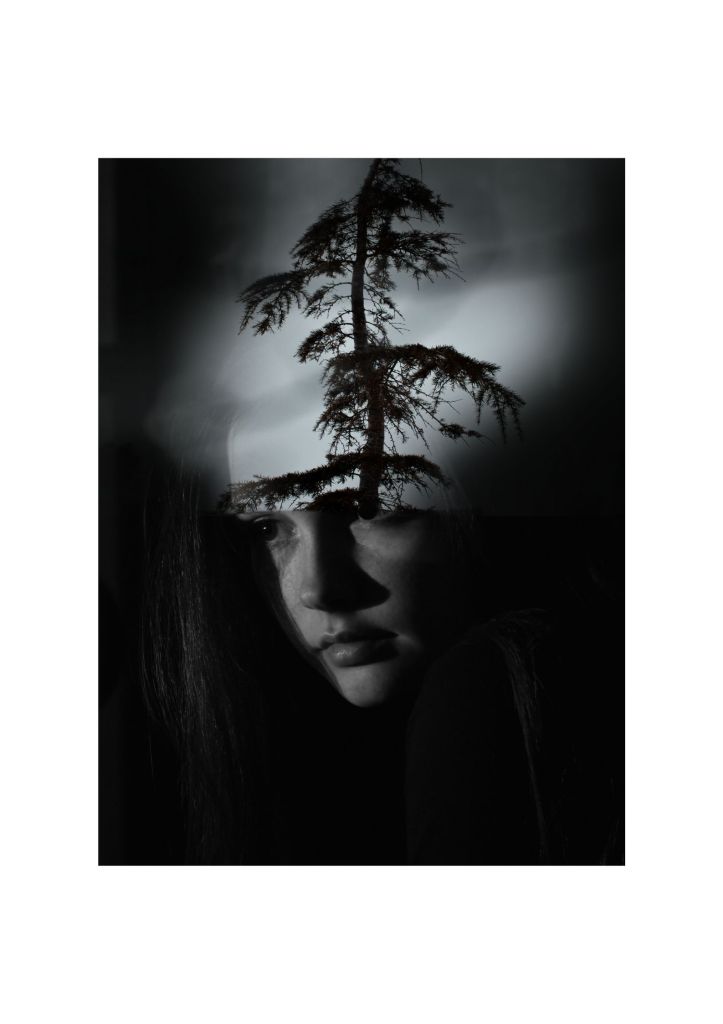
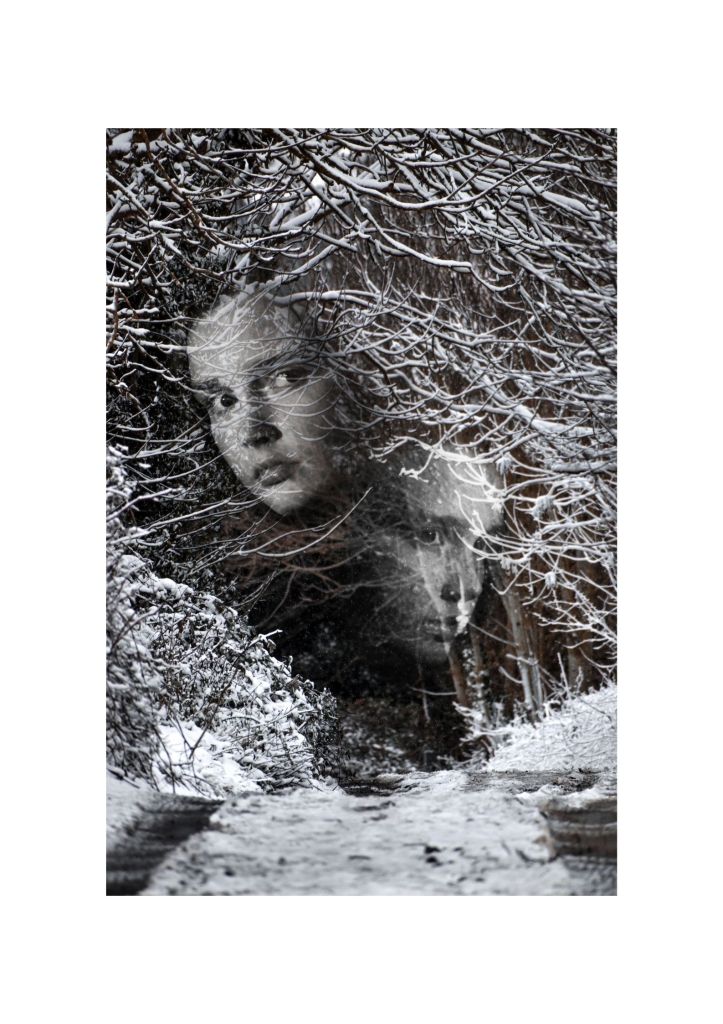
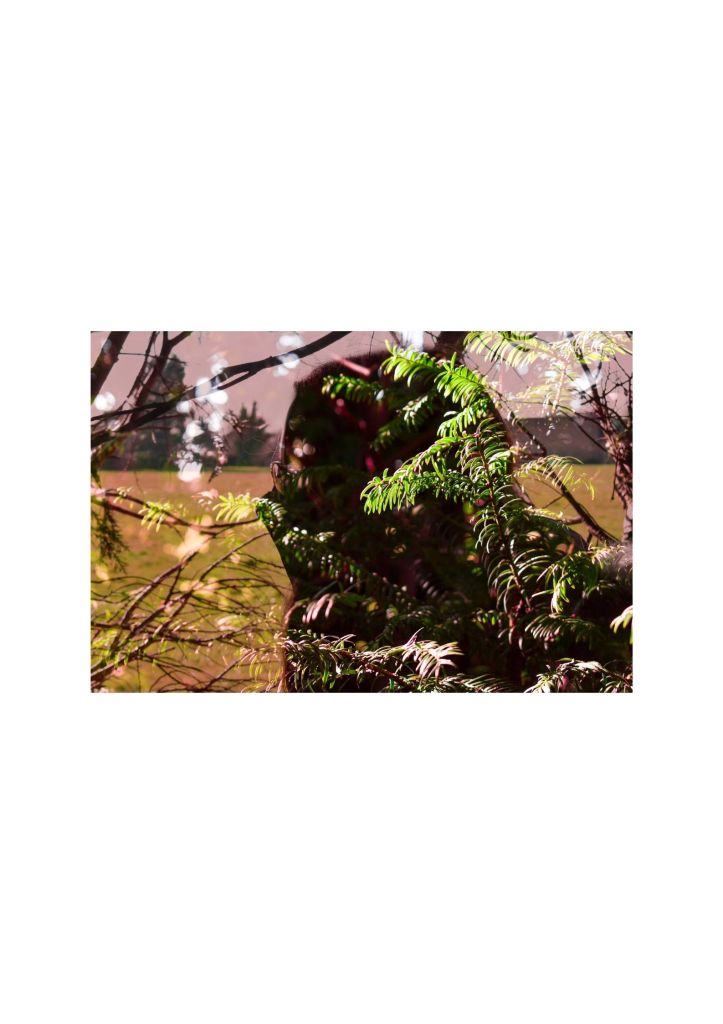
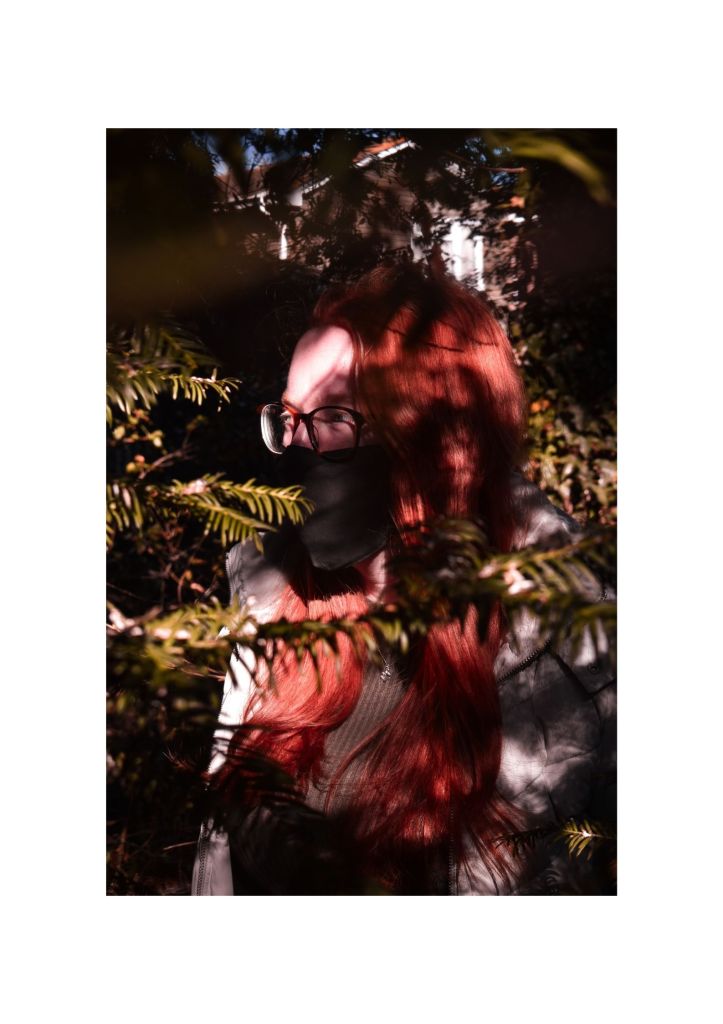
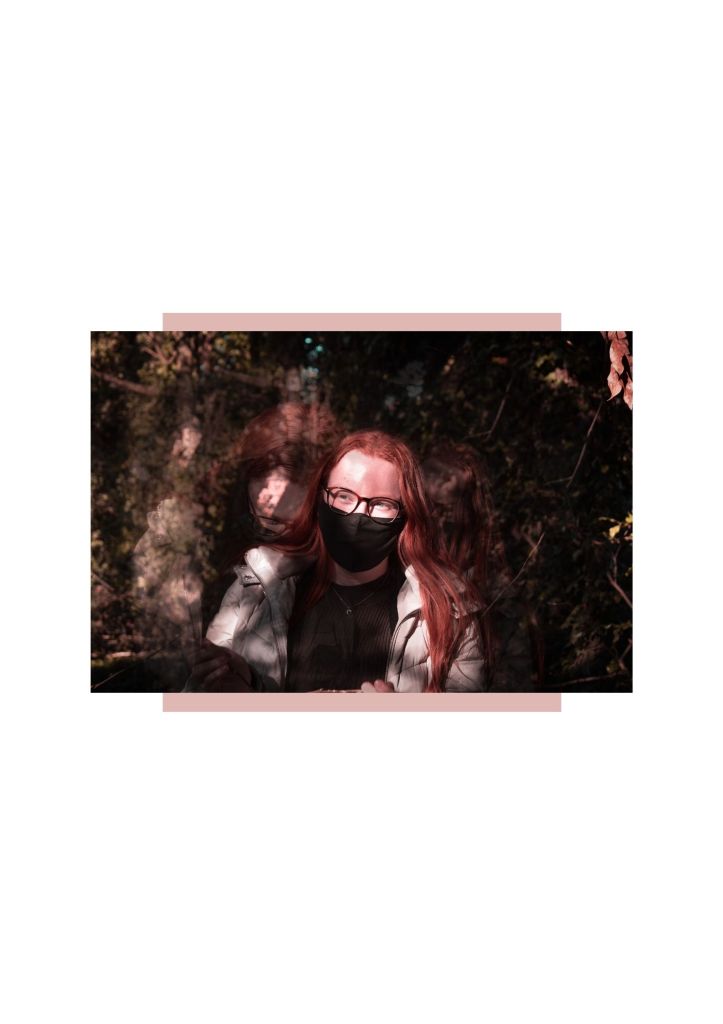
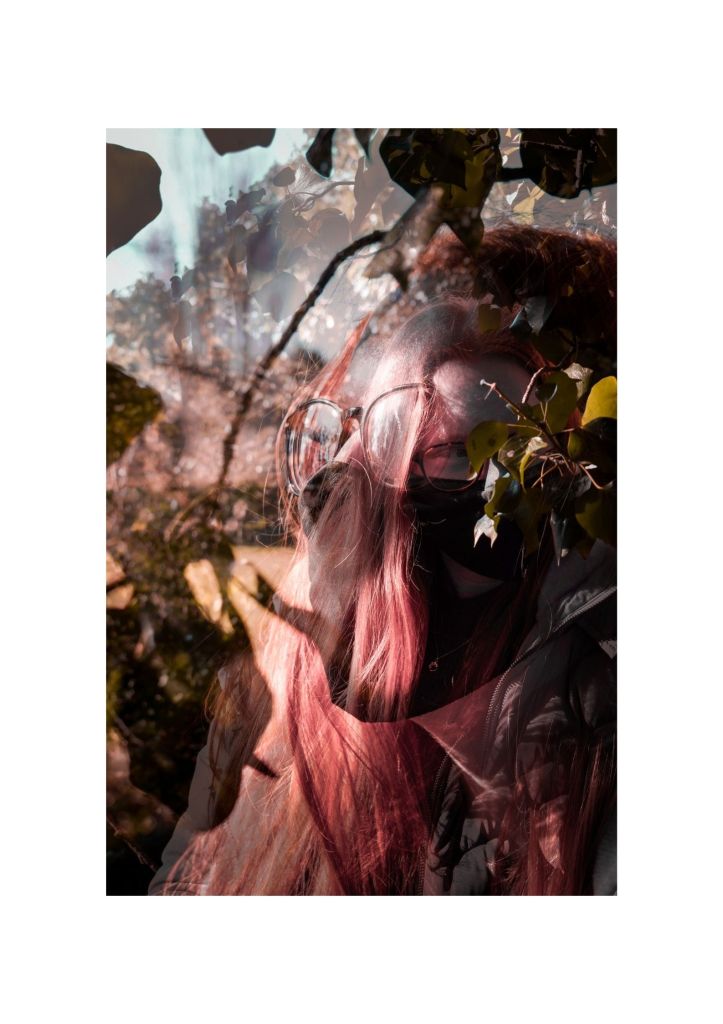
Originally my project began as Surrealism, before drawing influence from a range of other artists and techniques: becoming a combination of both Surrealism and Cinematic photography. Over the last year my style and interests within the subject of photography have evolved, changing the way I take, edit and present my photos. My project didn’t develop in a way that I intended, however I was very happy with its outcome. I was able to explore a range of different styles and techniques: such as, photograms, pinhole and analogue photograph. I was also able to experiment using Adobe photoshop, creating photo books, videos and collages. Inevitably it allowed me to discover my love for cinematic photography, whilst presenting and editing my work in an aesthetic way. I learnt that not only do I love Surrealism, but cinematic photography as well. I really enjoyed trying to incorporate the two within my work. Merging faces with landscapes and double exposing scenes on to one another using all of the different techniques I have just described.
I began my project by exploring different forms of surrealism; creating a mood born with a variety of different images that could potentially influence my work. Looking back now I can see that I was influenced by the cinematic style very early on, and it was something that emerged later within my work once I had gained more experience. Initially within my introduction I explored different forms of Surrealism: both historical and modern. Looking at the work of Henry Cartier-Bresson and Ansel Adams: two historical photographers that influenced my exploration of analogue photography. Anselm Adams had a great influence on my landscape photography, emerging within my double exposures later within my project.
I thoroughly researched the process of analogue photography before exploring the work of Dora Maar: who’s work I visited at the Tate Modern in February 2020. Her surrealist photography also had a great influence on my work: I drew a lot of my inspiration from the ethereal worlds that she created within her photographs. When taking my own portraits using an analogue camera, I had a lot of fun trying to capture spontaneous movements and facial expressions similar to within her own work. Once I had gained experience using as analogue camera I took a range of portrait photographs using my Nikon D3500 and edited them in black and white. I then edited them further in Adobe Photoshop, merging faces and objects together to try and replicate the style of Surrealism shown within Dora Maar’s work. After I began exploring vintage photography, taking a range of close-up of flowers and objects using obstructive camera techniques (tan tights over the front of the camera lens) to try and replicate the ethereal style and texture found within analogue photographs. I looked particularity at one of Maar’s most iconic surrealist images: an ‘untitled’ photograph featuring a woman with a star in the place of her head beneath the spotlight. I recreated this image as my final response influenced by Dora Maar’s work; I used a phone camera and an empty toilet roll to create the illusion that I was sitting bellow a spotlight. I then double exposed some of my vintage photographs taken using the obstructive camera technique onto my final images to incorporate everything I had explored whilst working with analogue photography.
After I explored double exposure within Jerry N. Uelsmanns work I used photographs I had taken printed on acetate to create double exposed images chemically in the darkroom. Some of my first double exposures either didn’t line up properly or were either under/over exposed. However, I learnt from my mistakes while developing a range of different tester pieces; experimenting with different compositions and layouts. I produced a triptych as my final response for this particular medium within the darkroom. Creating three different montages of faces and objects which I feel show my development with chemically developing images within the darkroom. I later explored pinhole photography and photograms influenced by the work of Man Ray: two processes I feel are crucial whilst exploring the work of earlier photographers.
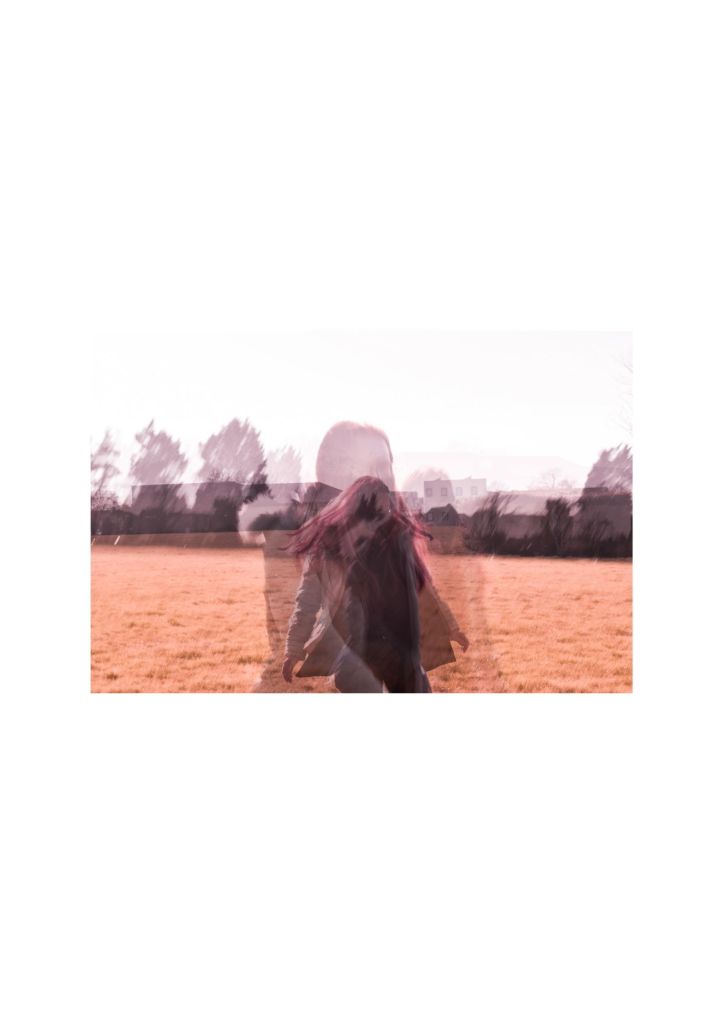
Exploring the work of Luke Gram allowed me to further develop my skills within double exposure: a style of photography that was becoming very apparent within the earlier stages of my work. It led me to take a variety of different shoots: both industrial and rural in order to create a range of double exposed photographs similar to that of Luke Gram, Jerry N. Uelsmann and Anselm Adams. I spent the entirety of the first Covid lockdown exploring different places on the Isle of Sheppey to develop a body of work with that included a range of different locations that could be used within my double exposures.
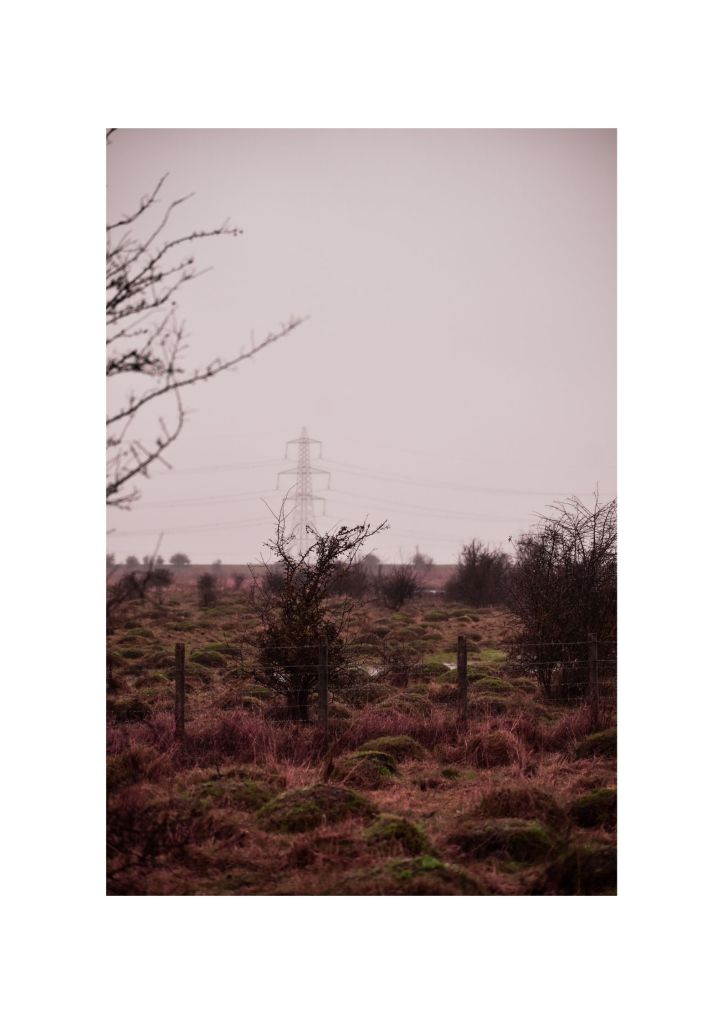
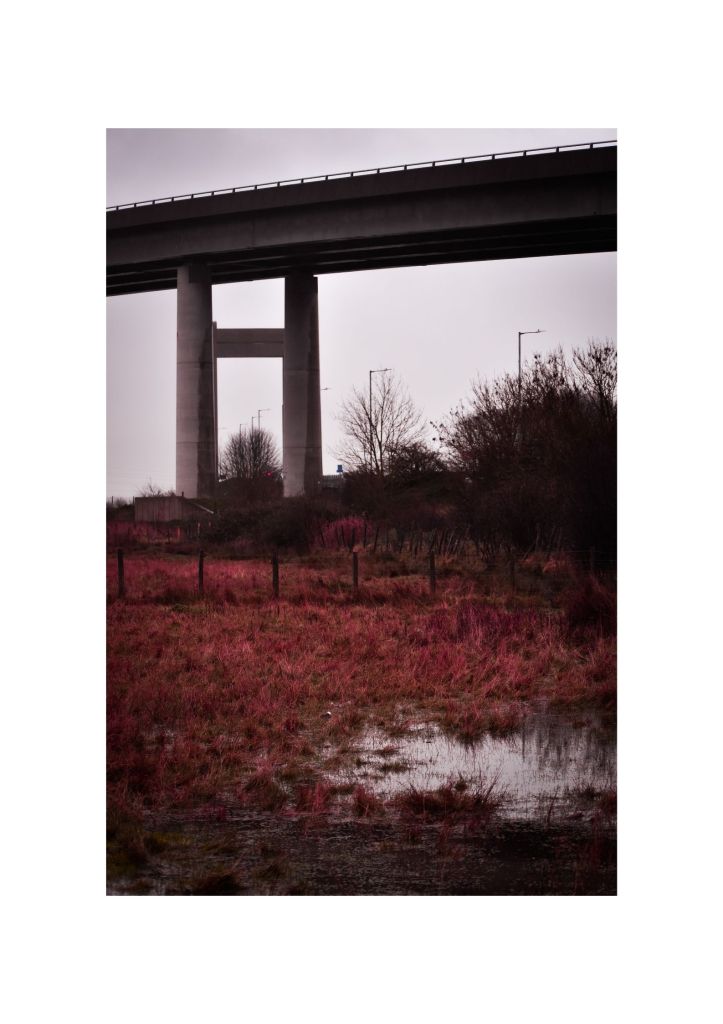
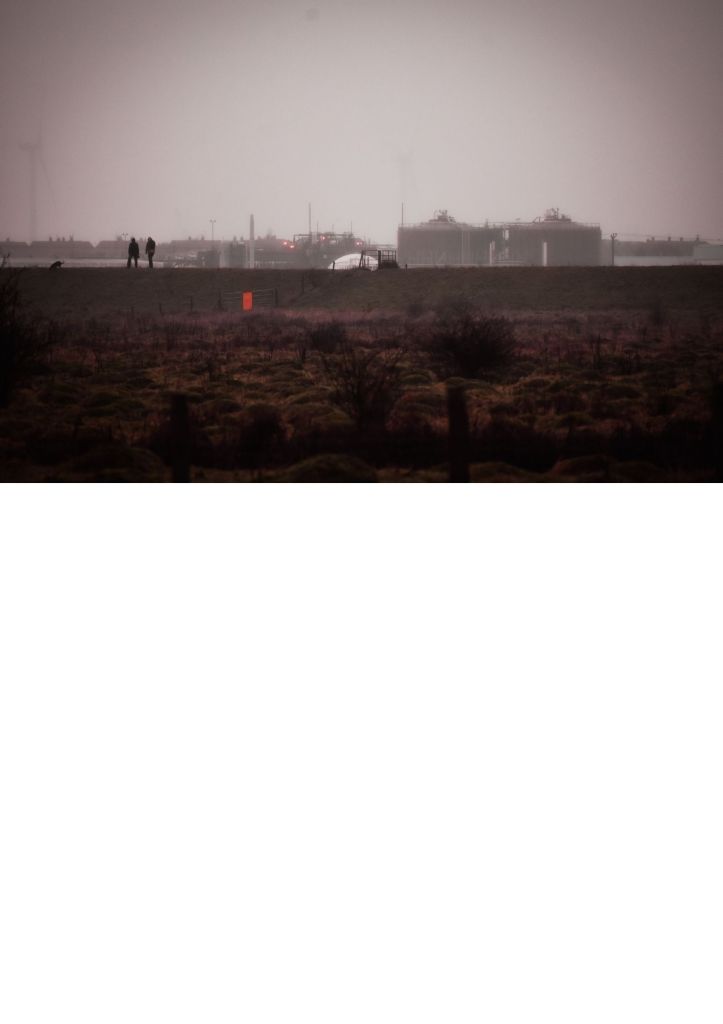
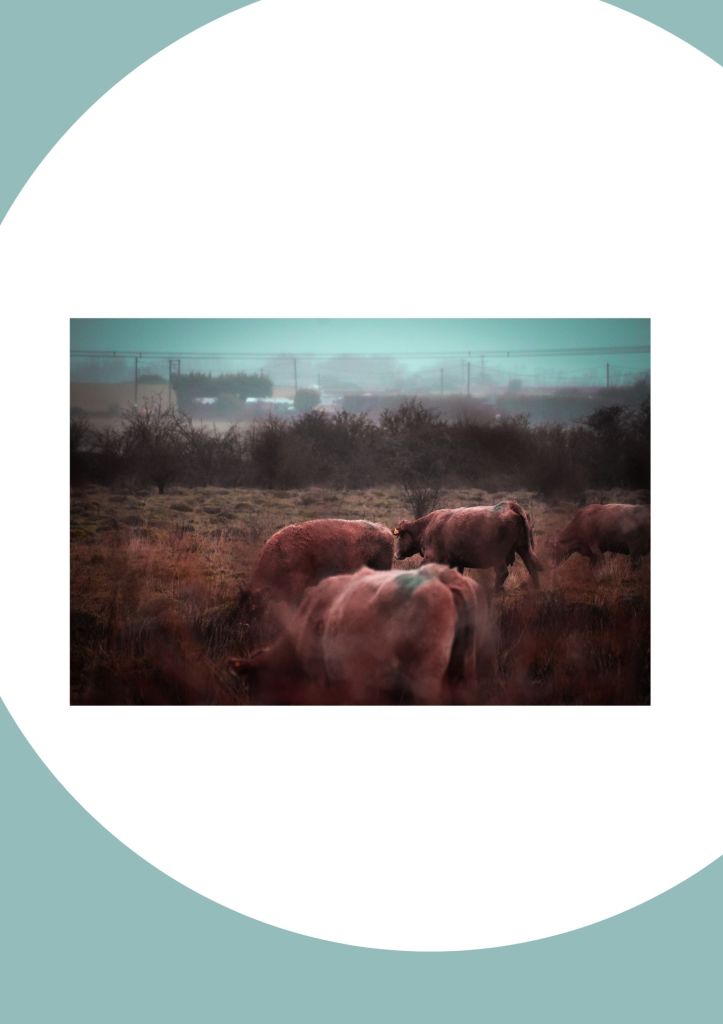
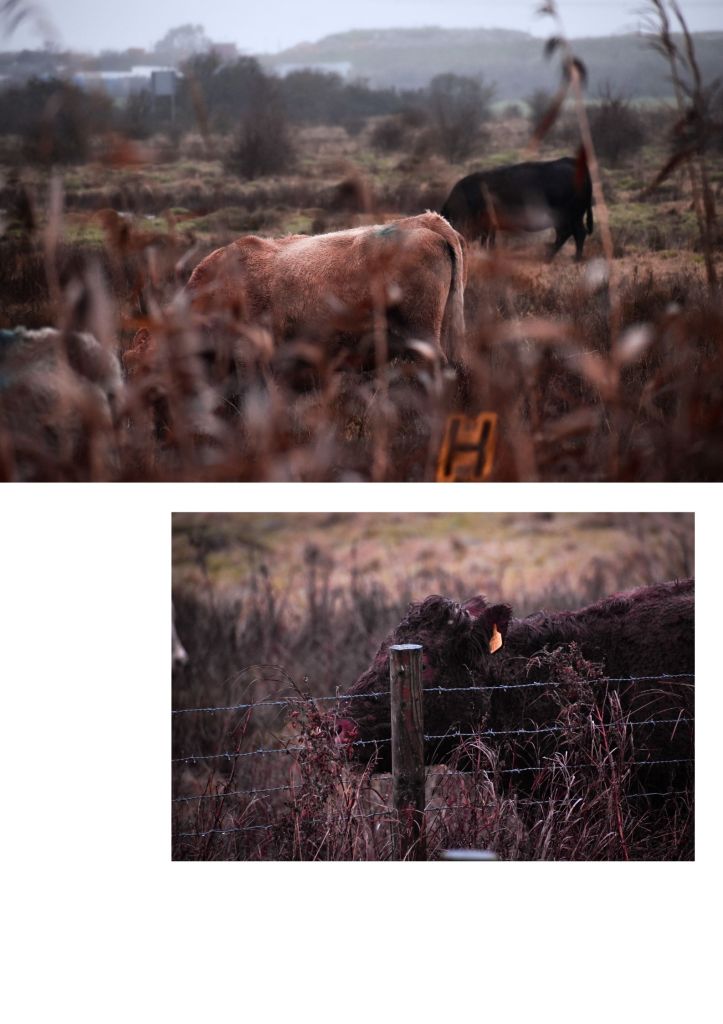
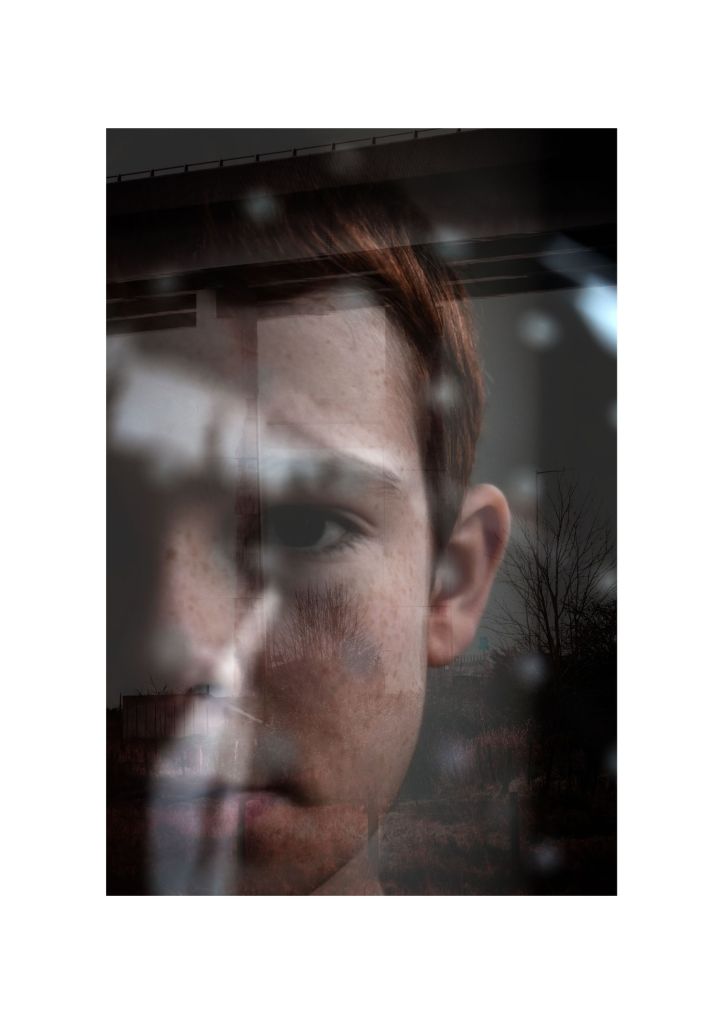
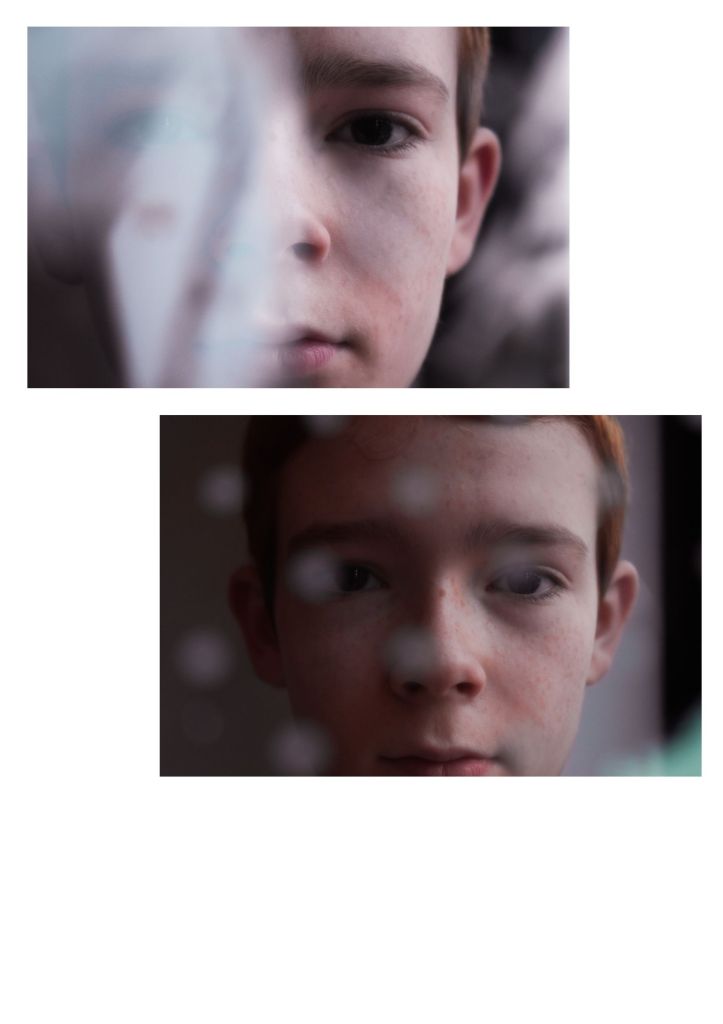
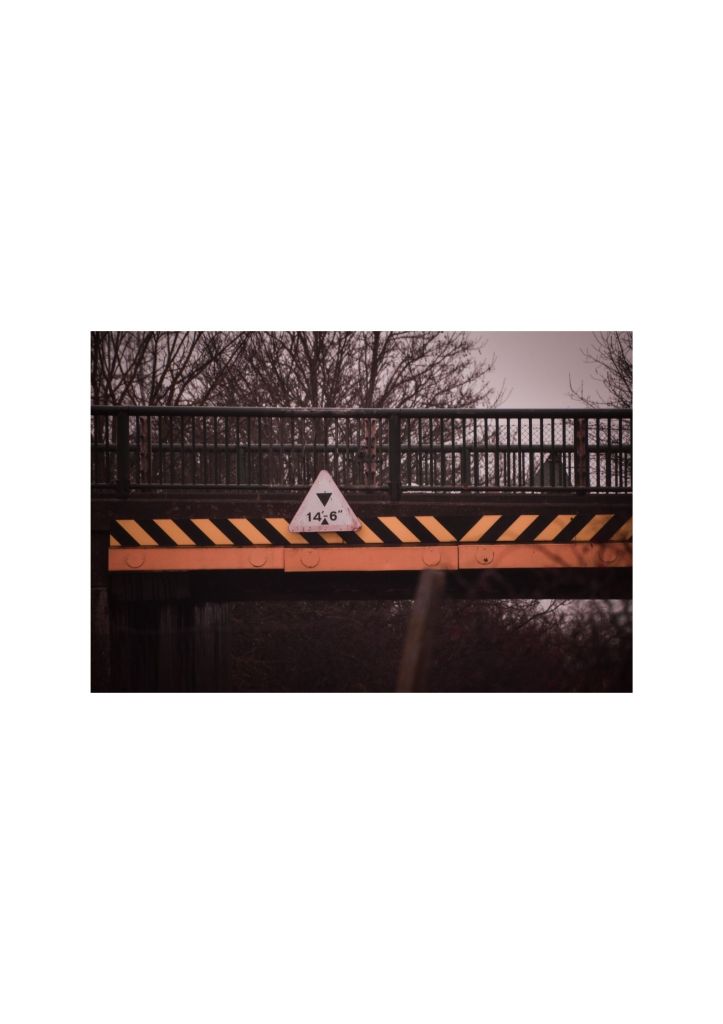
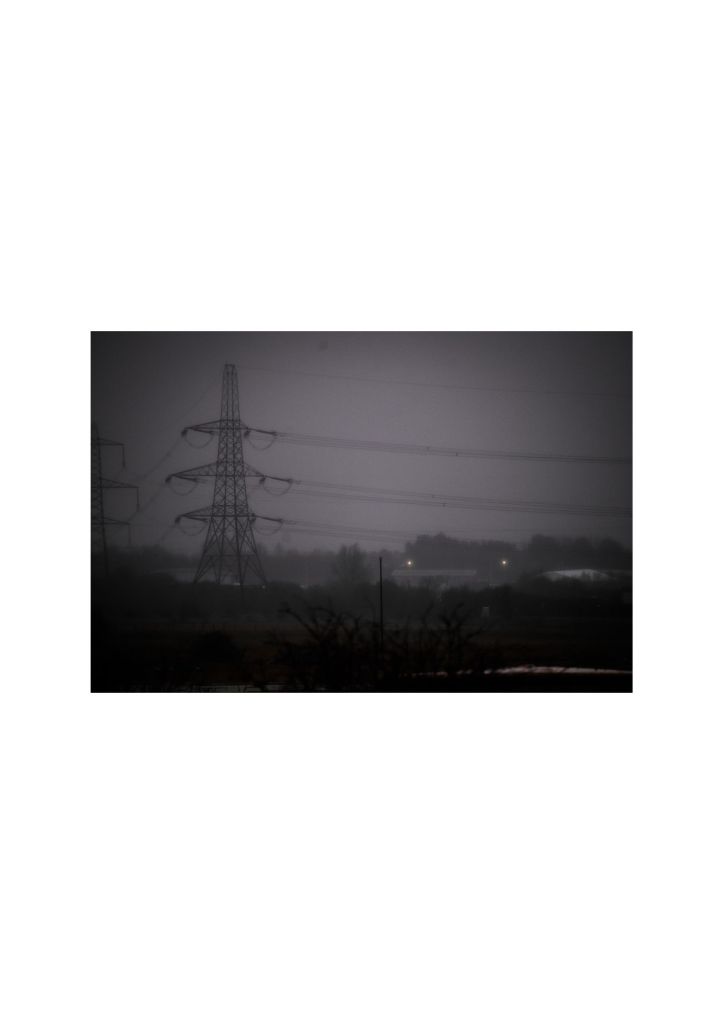
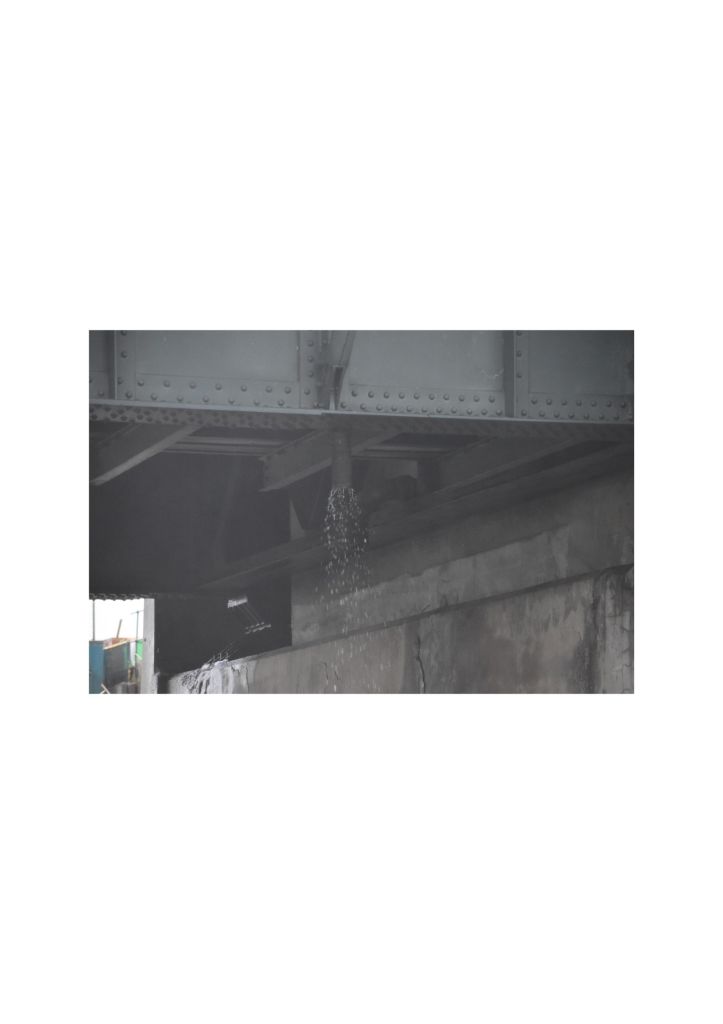
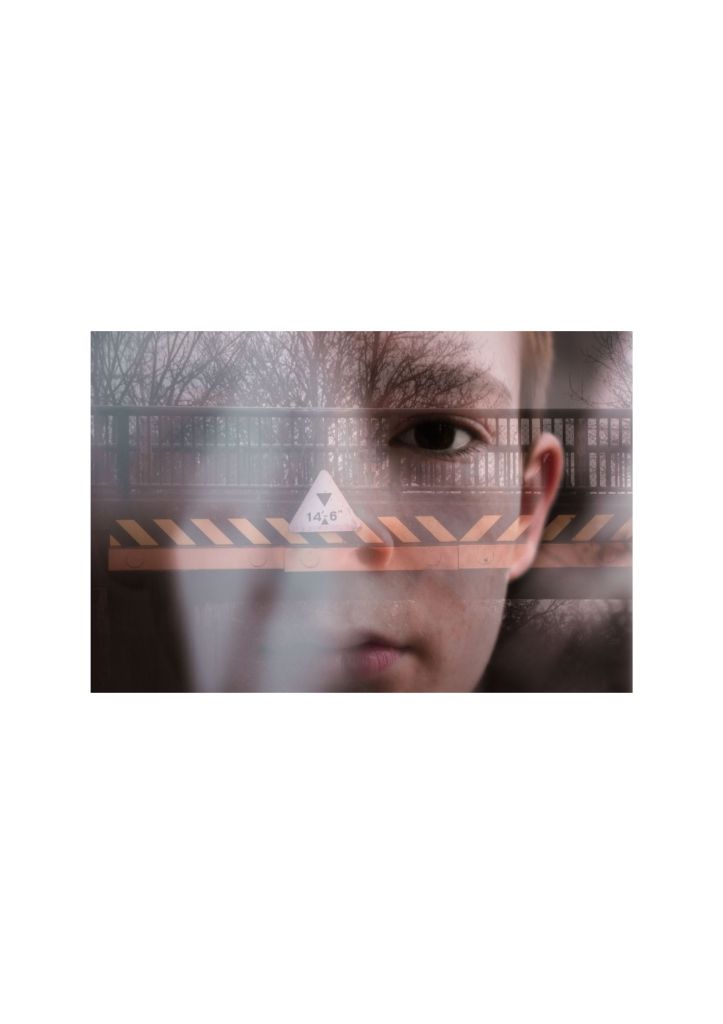
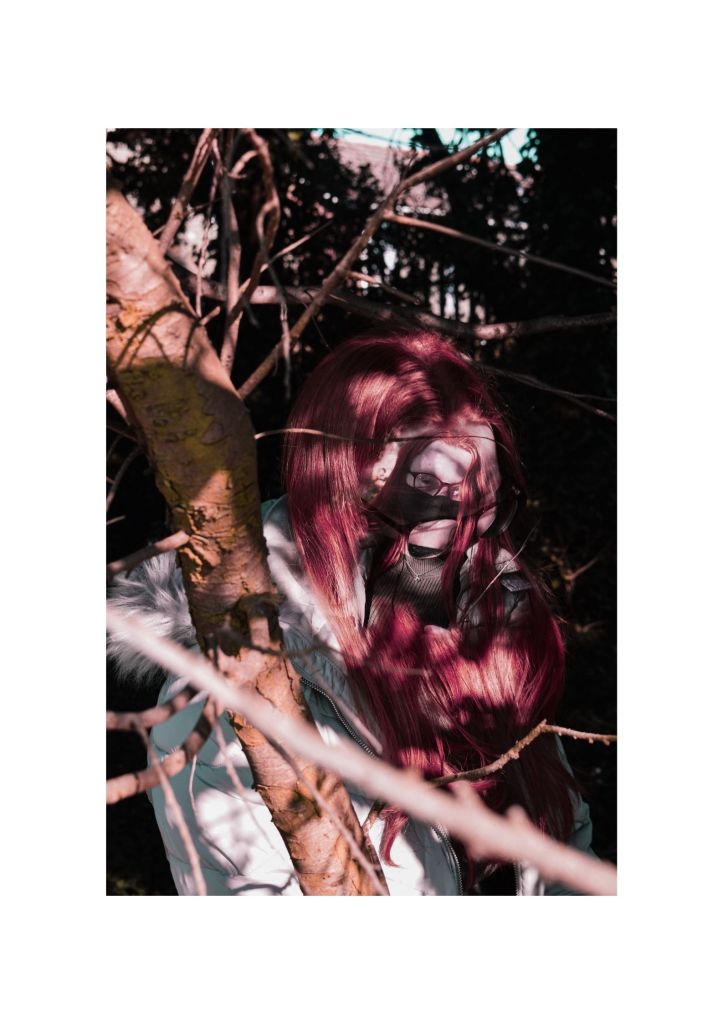
My favourite shoot within my project would be ‘rural and industrial’; I was incredibly happy with the photographs that I created by using these landscapes and double exposing them over portraits I had taken previously. Whilst editing this shoot I began using Adobe Lightroom, an application I had not previously used. I feel that it greatly improved the overall look of my photographs: the application allowed me to further refine my editing skills in comparison to the way I had previously edited my photos. This is also when the more cinematic side of my work began to emerge. By using Lightroom I was able to completely reinvent the way I edited my photographs, resulting in a range of very cinematic images.
This then led into the creation of my first photo book: a 53 page long compilation of all of my best images, including some additional portraits. Whilst designing my photo book I created three different possible covers and a basic mind maps of images to help me decide what the subject of my photo book would be. I made sure that my book was simple, using colour blocked pages to compliment my images and quotes to fill spaces in between.
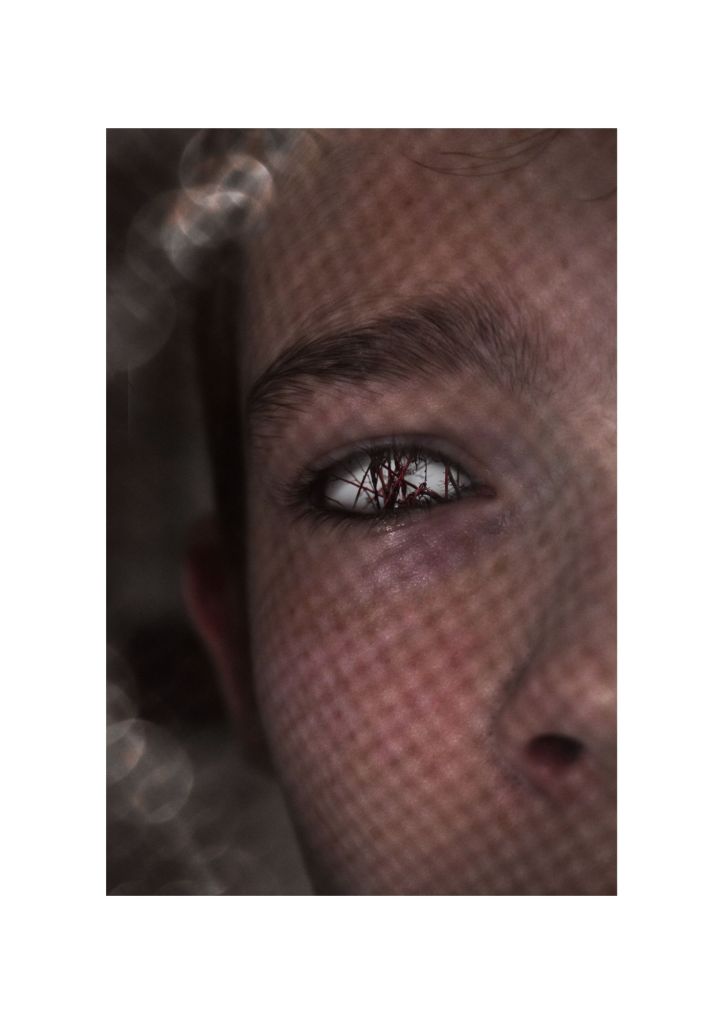
Following on from this I created two videos: one focused on the surrealist side of my work while incorporating cinematic elements, and the other focusing solely on the cinematic side of my work, however has the a feeling of Surrealism just through the atmosphere that I created. This led me to explore a more sinister style of Surrealism leading to an atmospheric shift within my work brought on by my video project, where I explored the darker side of Surrealism unlike the work I had explored previously within my project. I later explored Lee Millers work, creating a range of images developing upon the more sinister side of Surrealism: featuring skulls and low-key lighting creating a sense of sinister mystery.
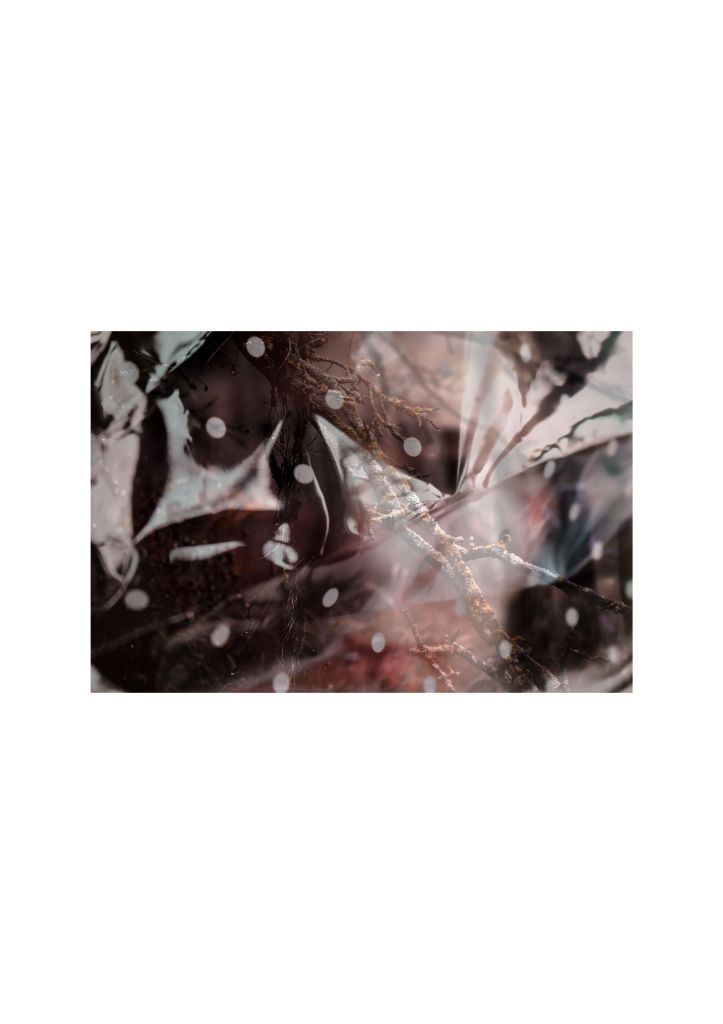
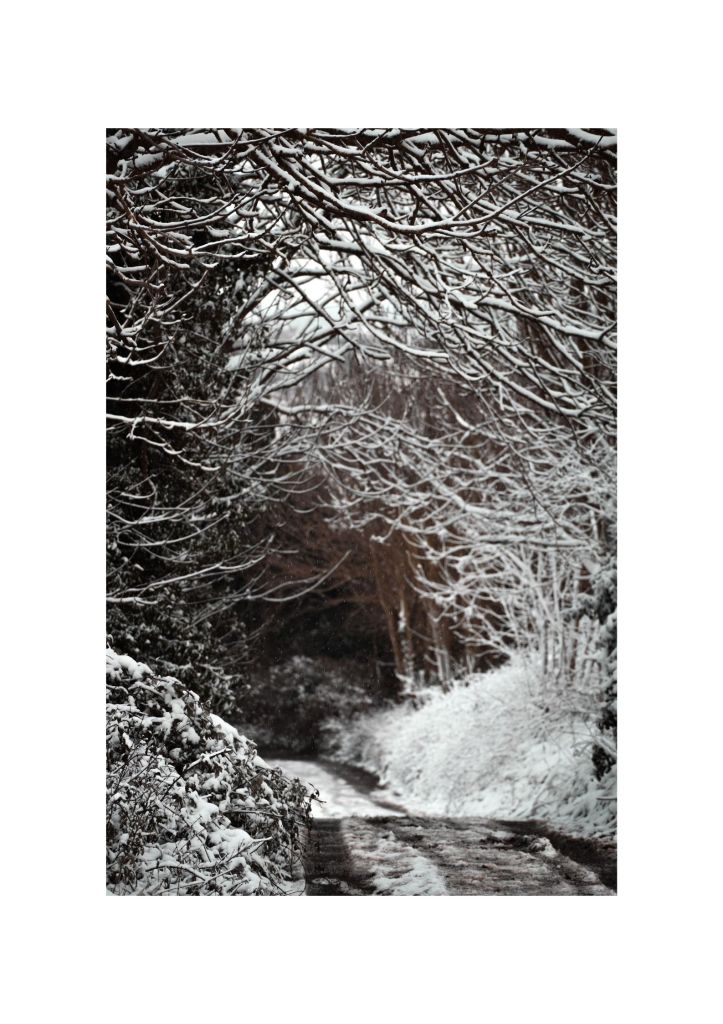
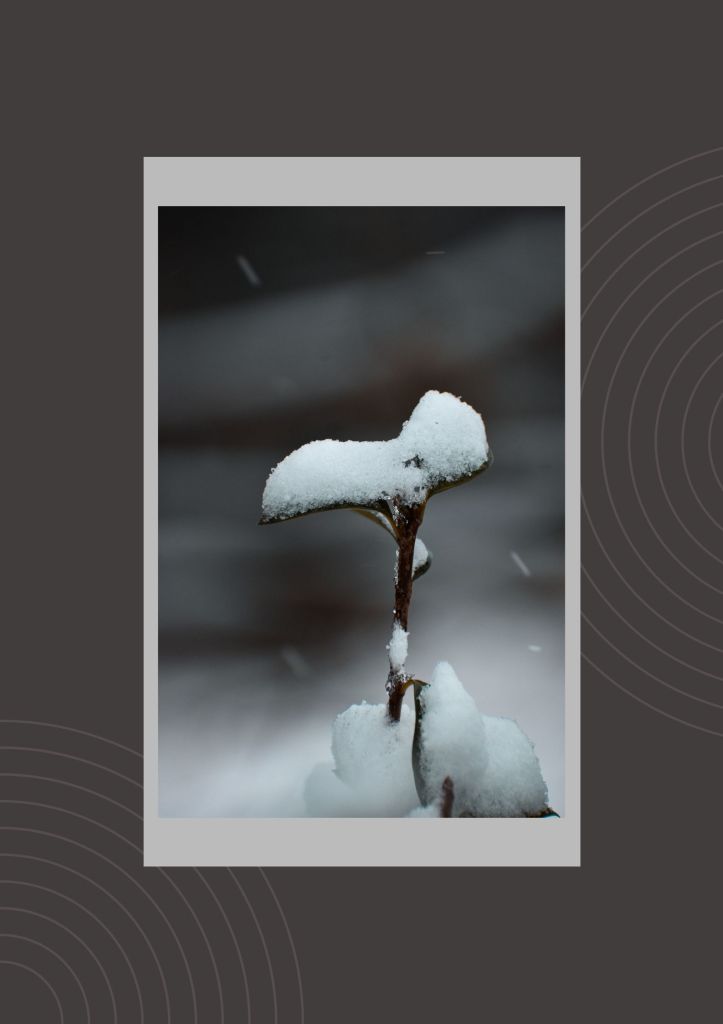
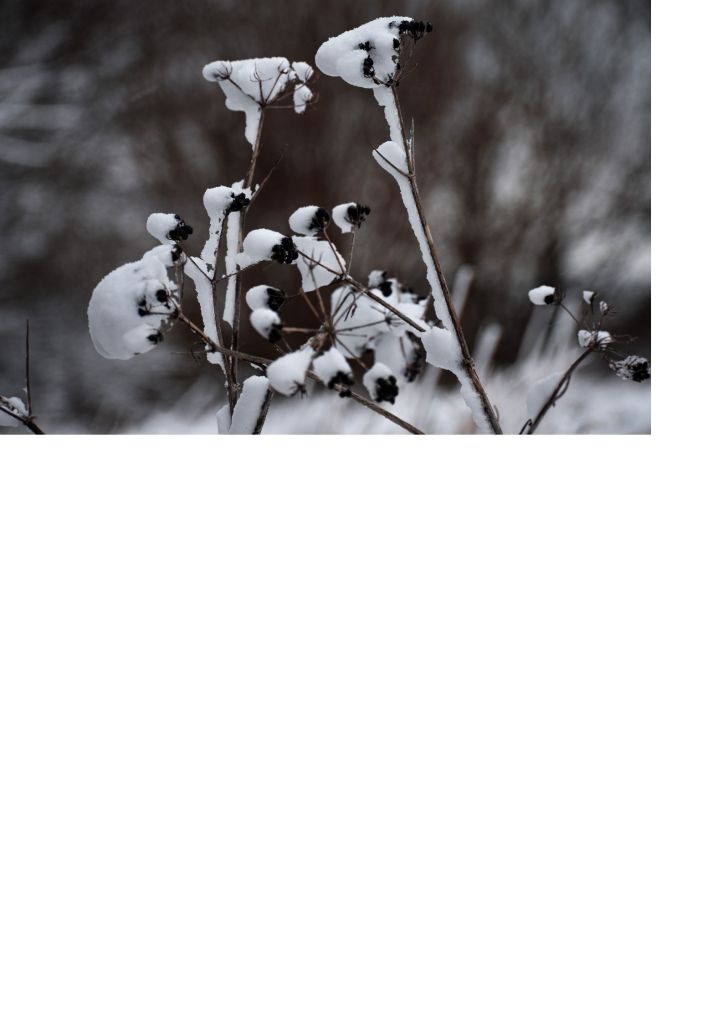
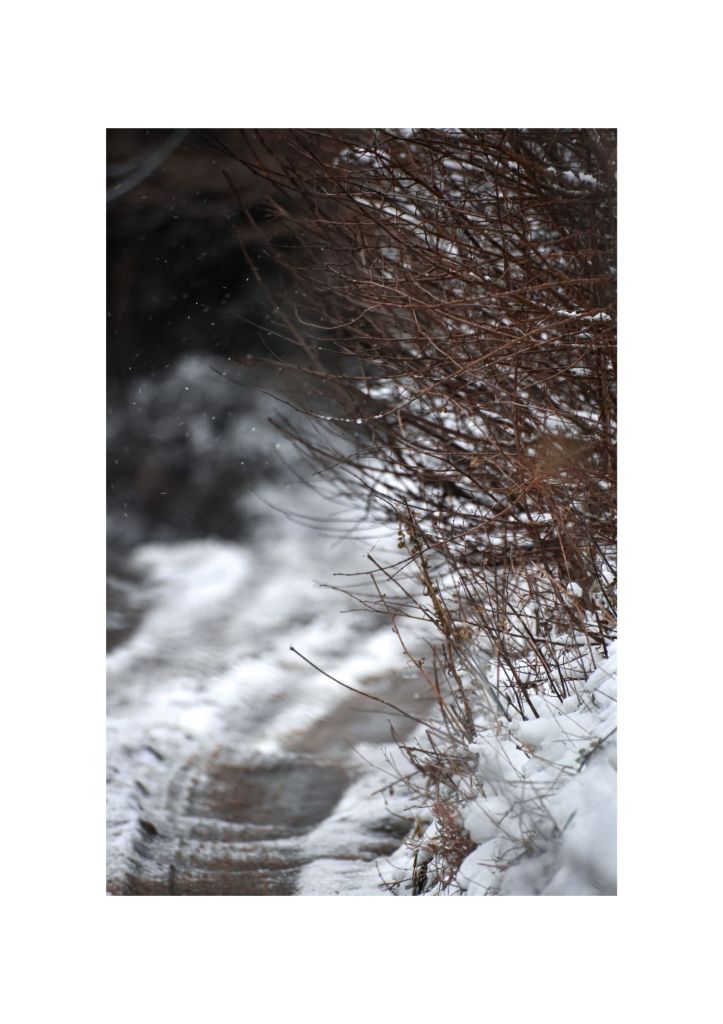
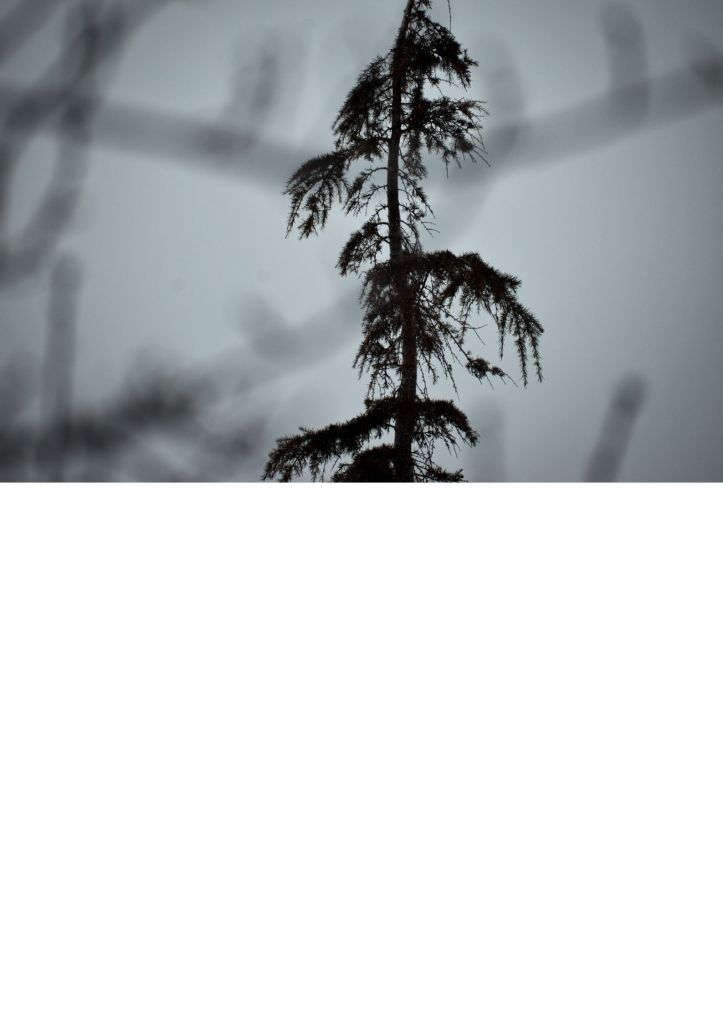
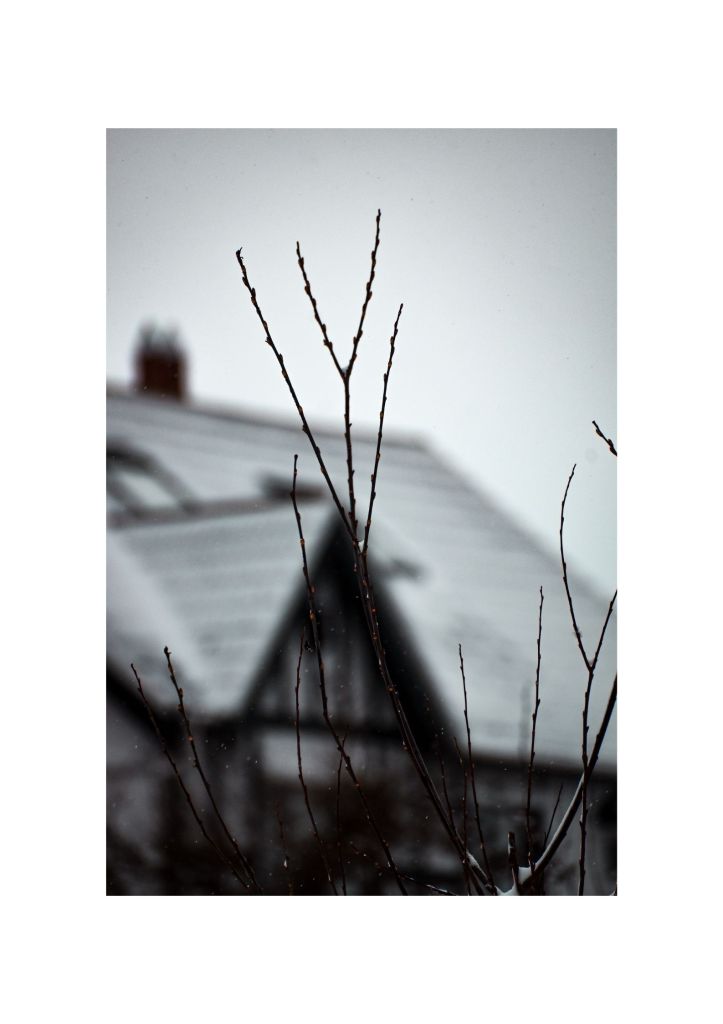
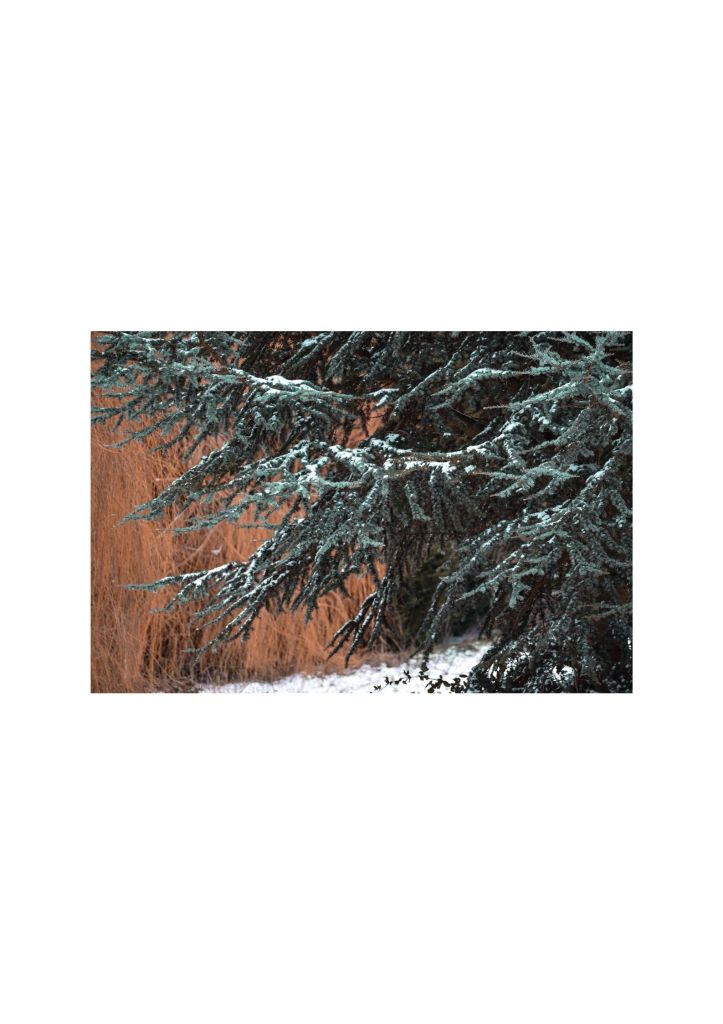
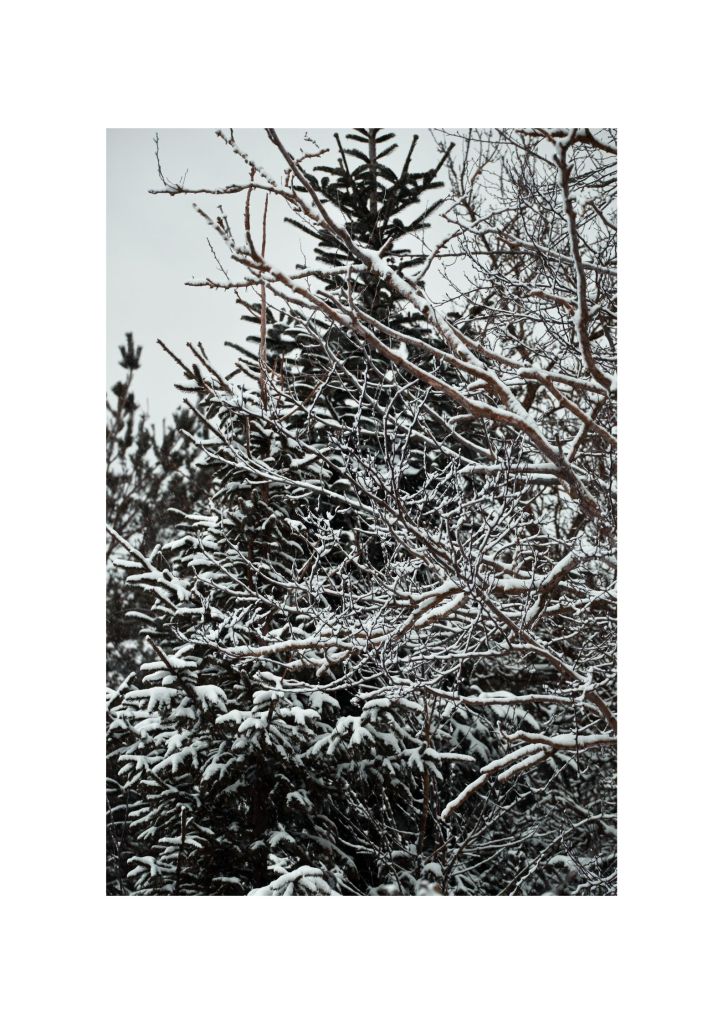
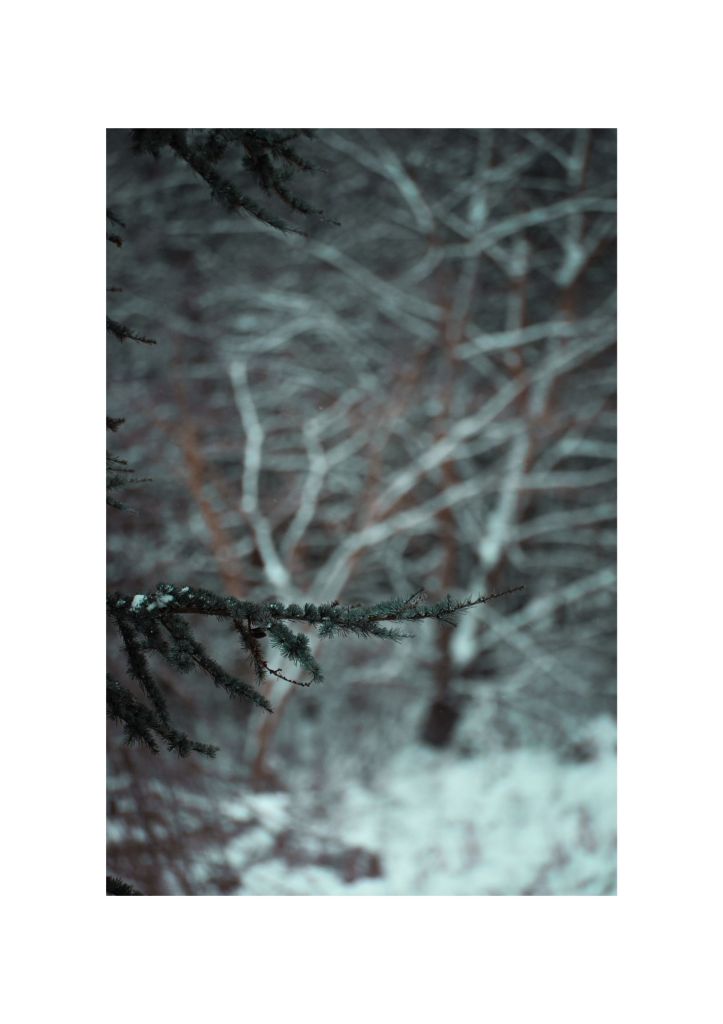
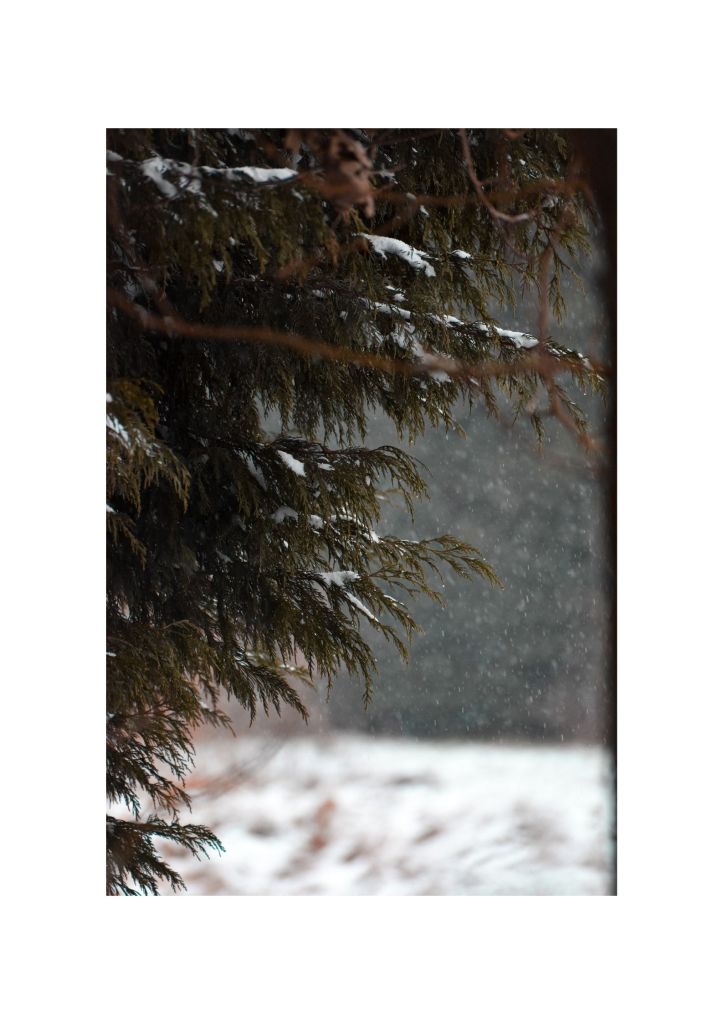
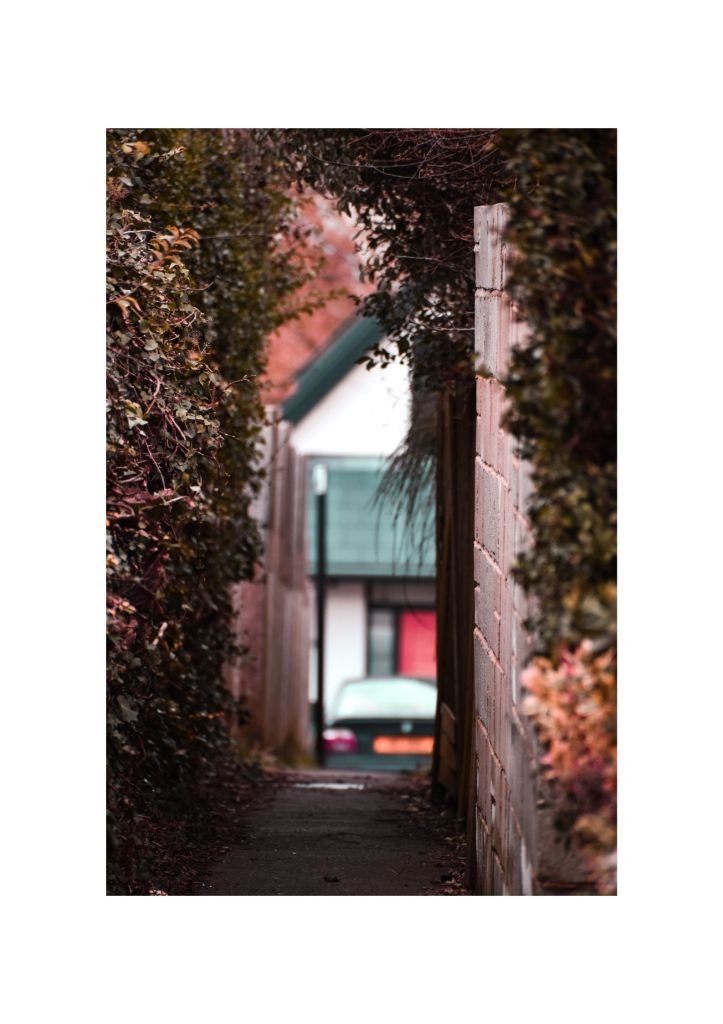
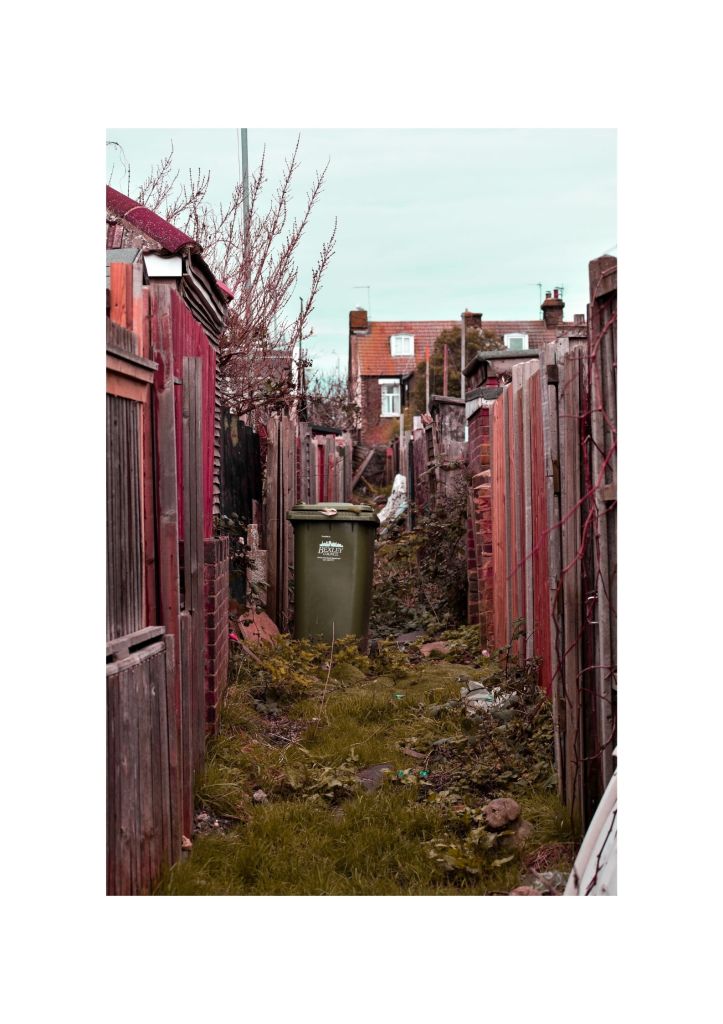
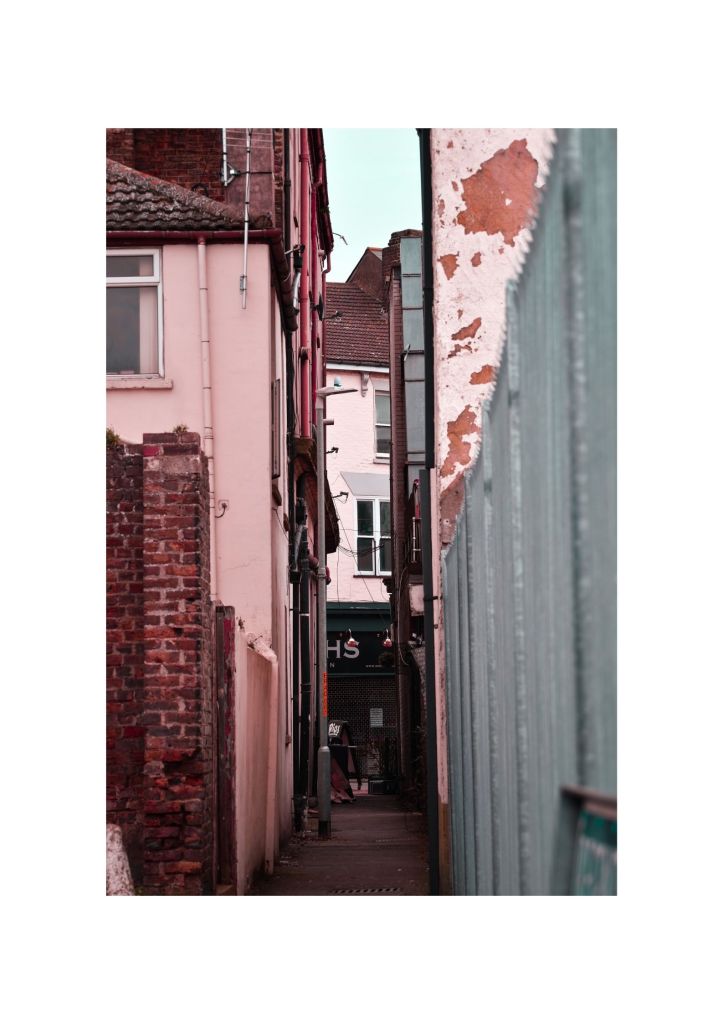
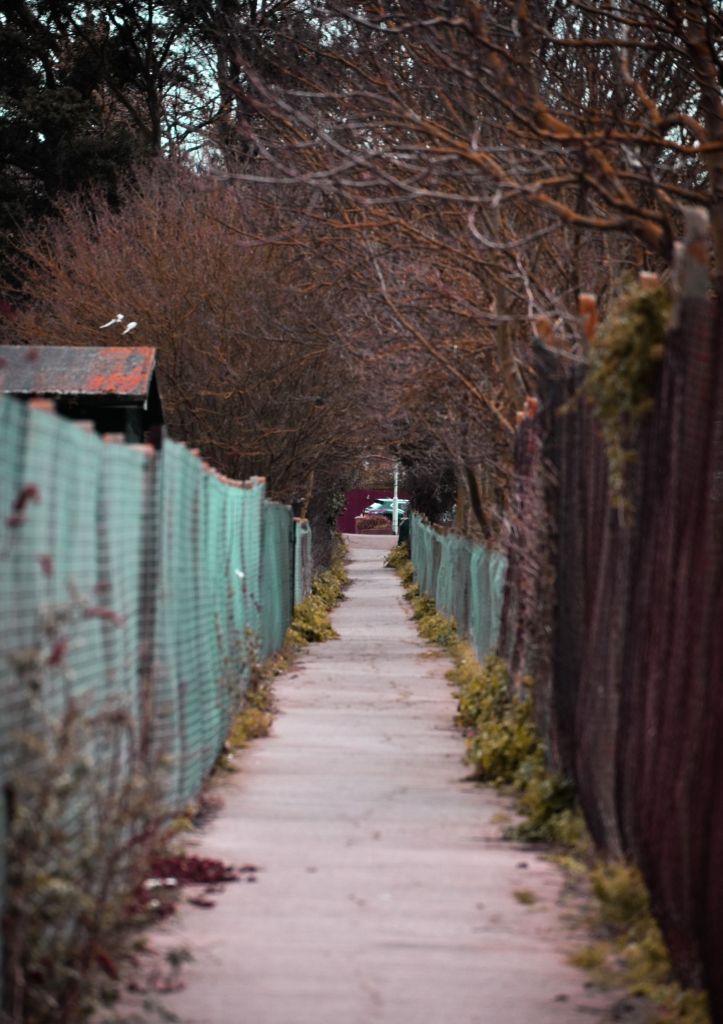
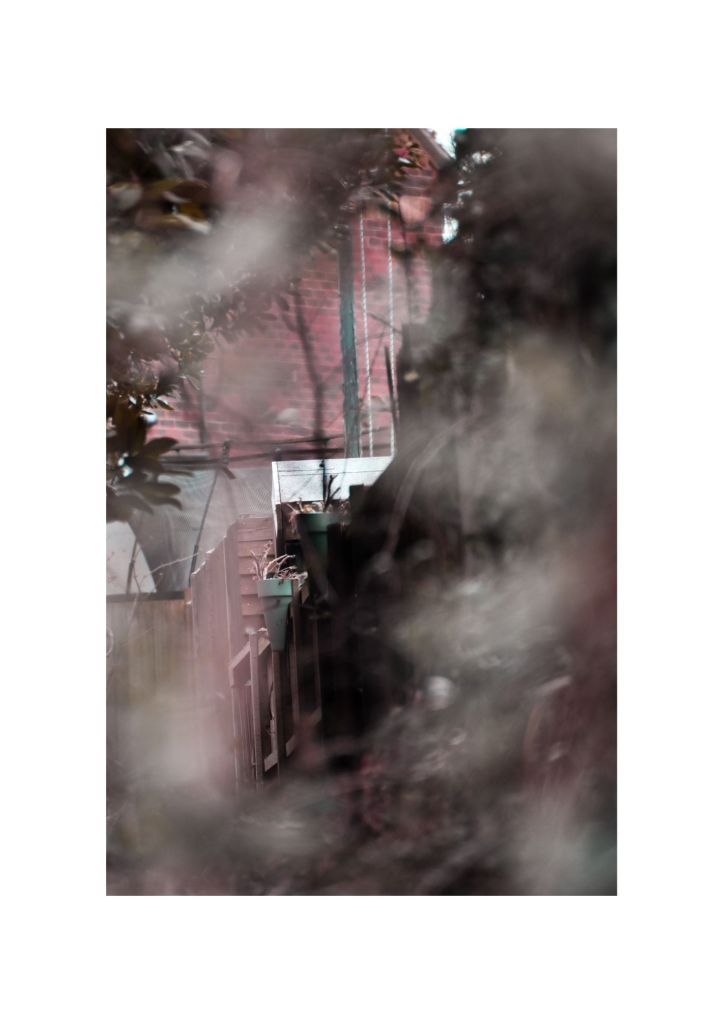
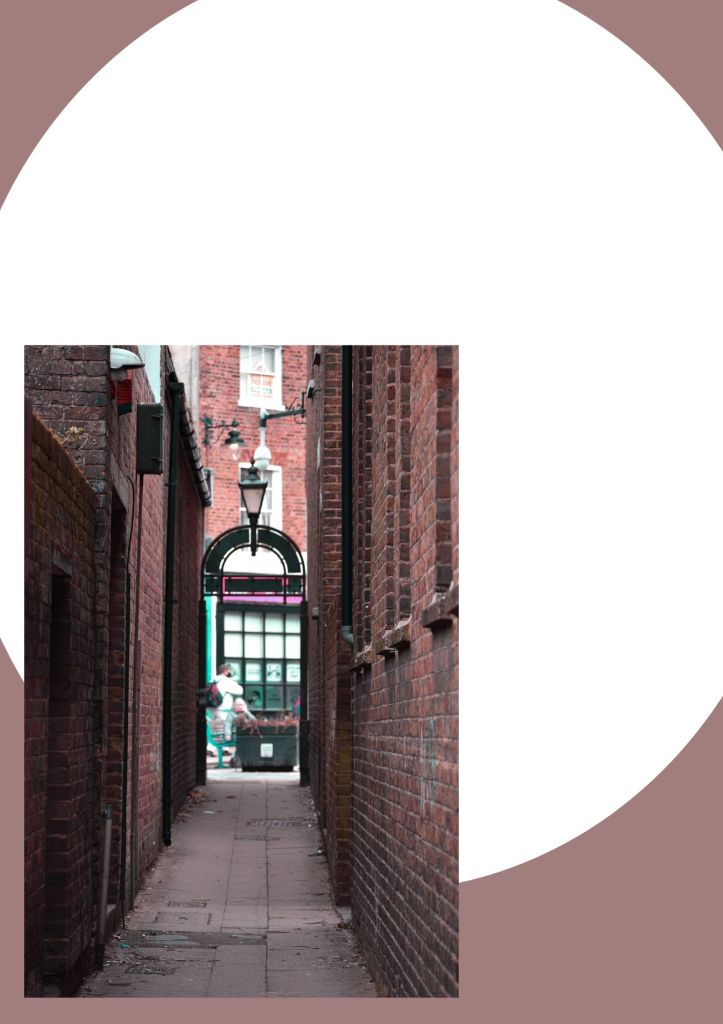
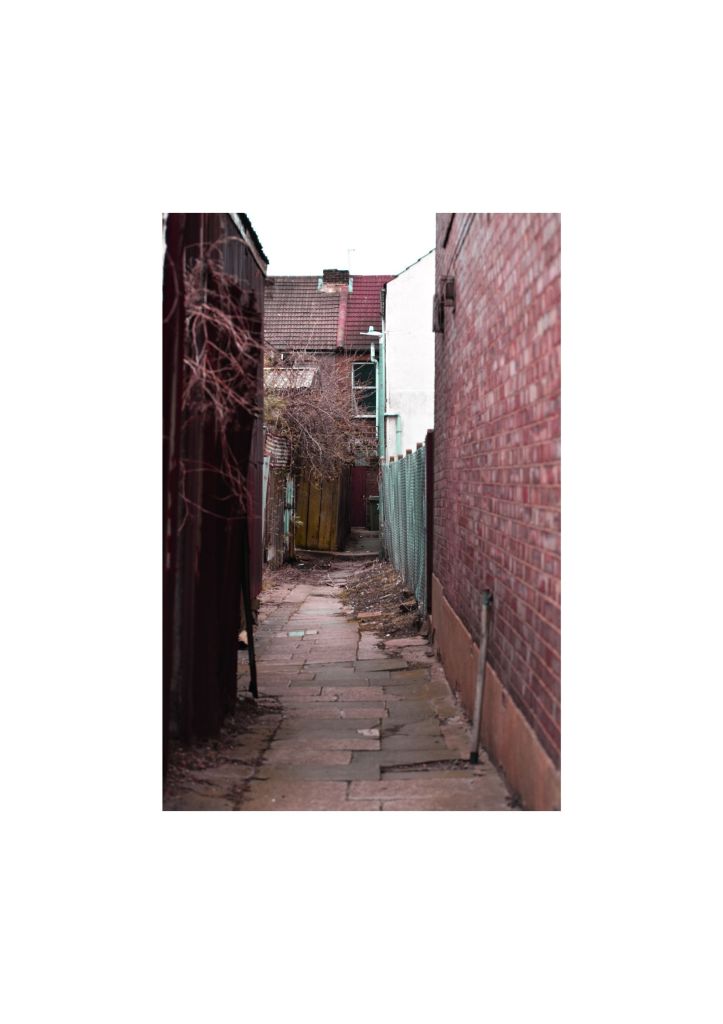
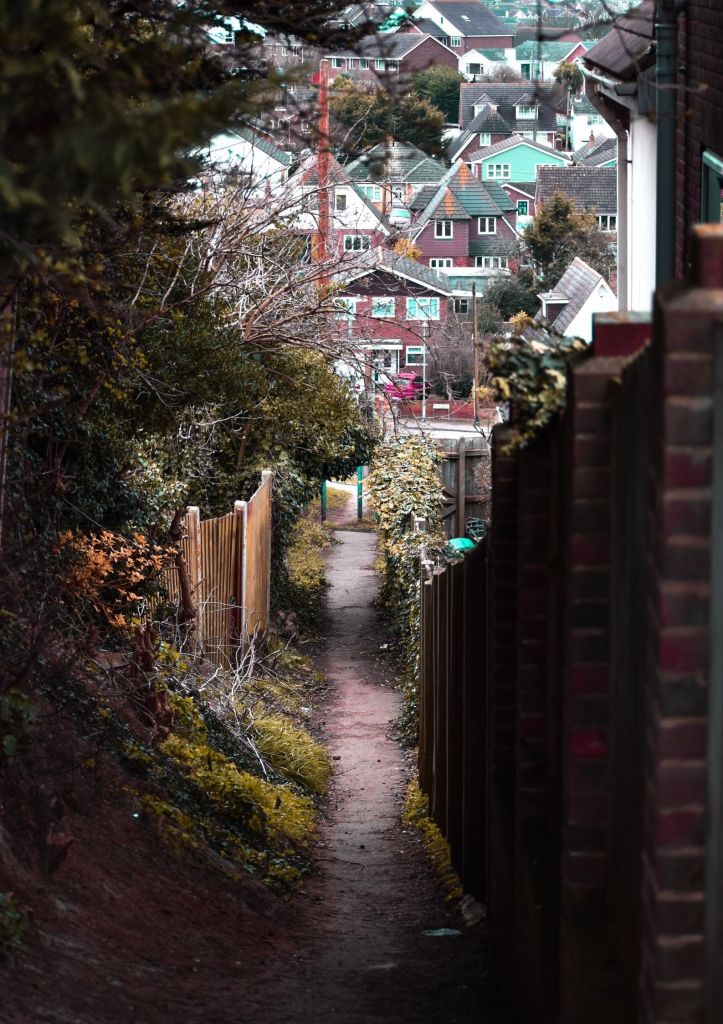
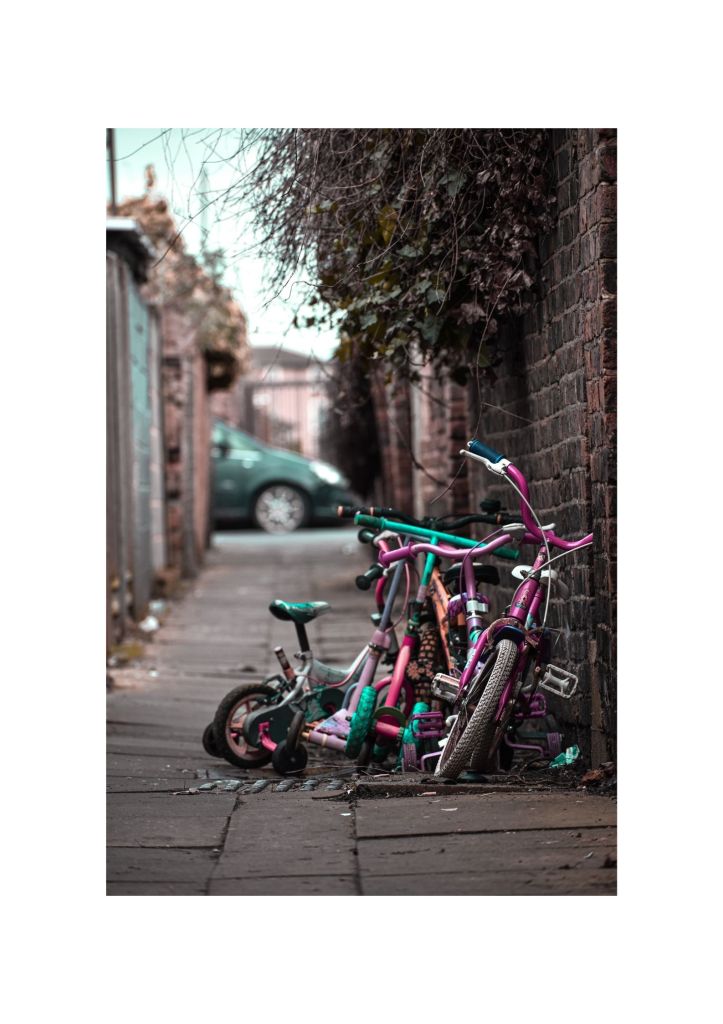
I then continued to manipulate eyes and faces; exploring compositional techniques whilst taking photographs of rural landscapes. My work then began to take a more experimental approach, exploring the work of Fredrick Sommer and Van Bor exploring black light, before completing the screenshot project where I montaged digital photographs taken by other people together into a new image. I then completed the freelensing project where I explored obstructive camera techniques similar to within my previous work; double exposing my images onto landscape photographs I had taken beforehand: reverting back to my cinematic Surrealist style. I finished my project with two shoots: one which I had taken whilst it was snowing during our second lockdown and one of different alleyways located all around the Isle of Sheppey. Once again I explored both rural and industrial landscapes, double exposing them onto portraits and developing them into a 100 page photo book as my final response to this project.
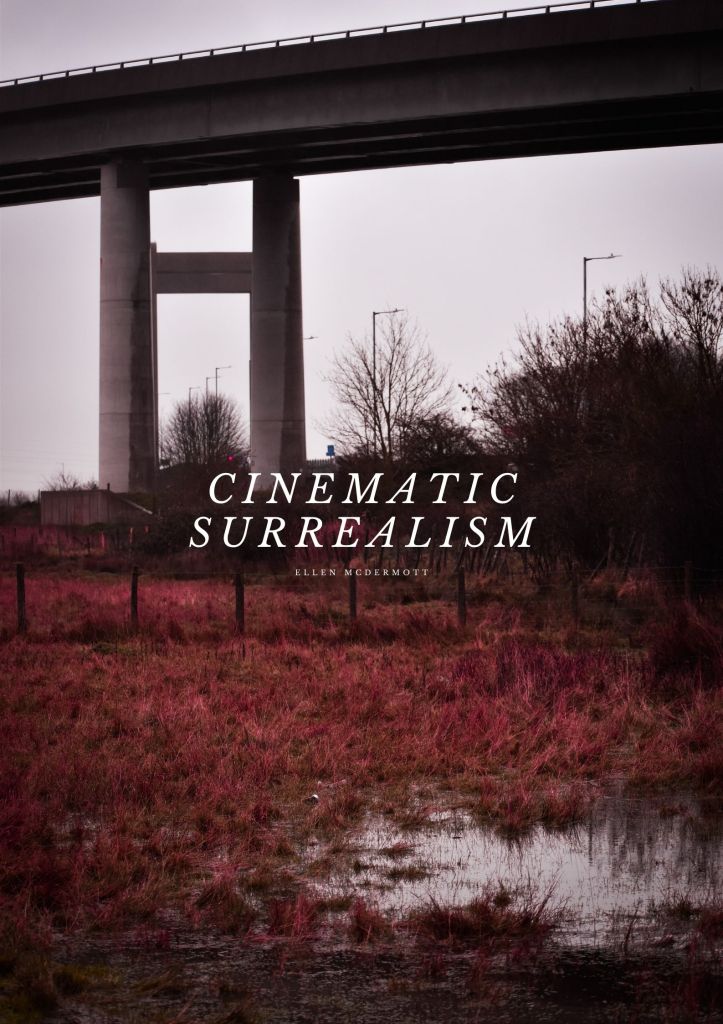
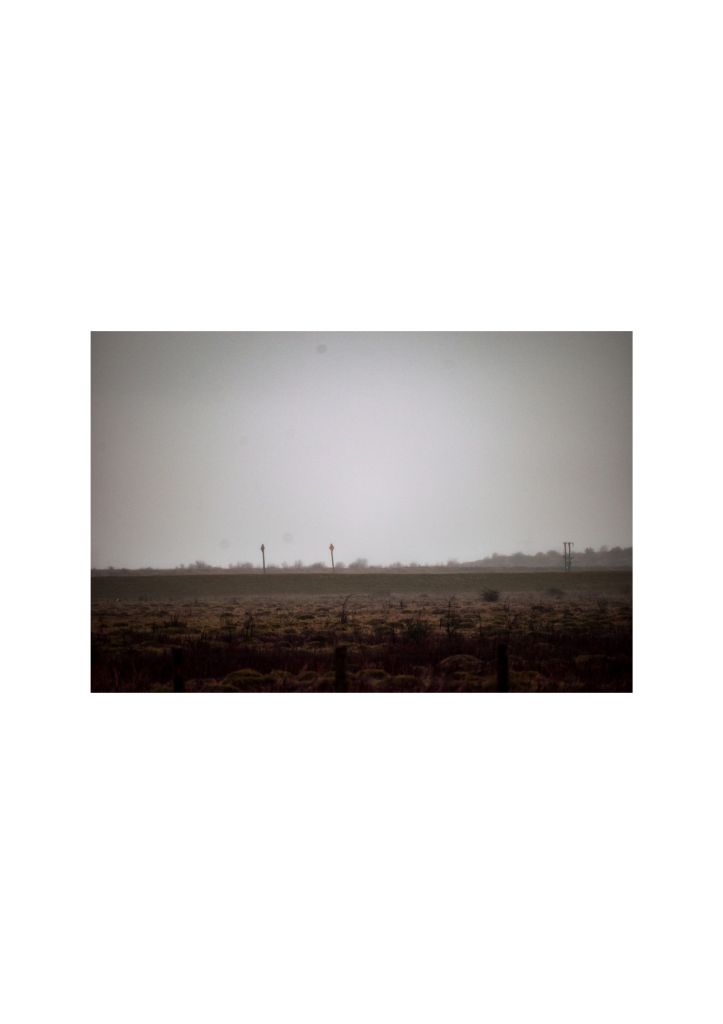
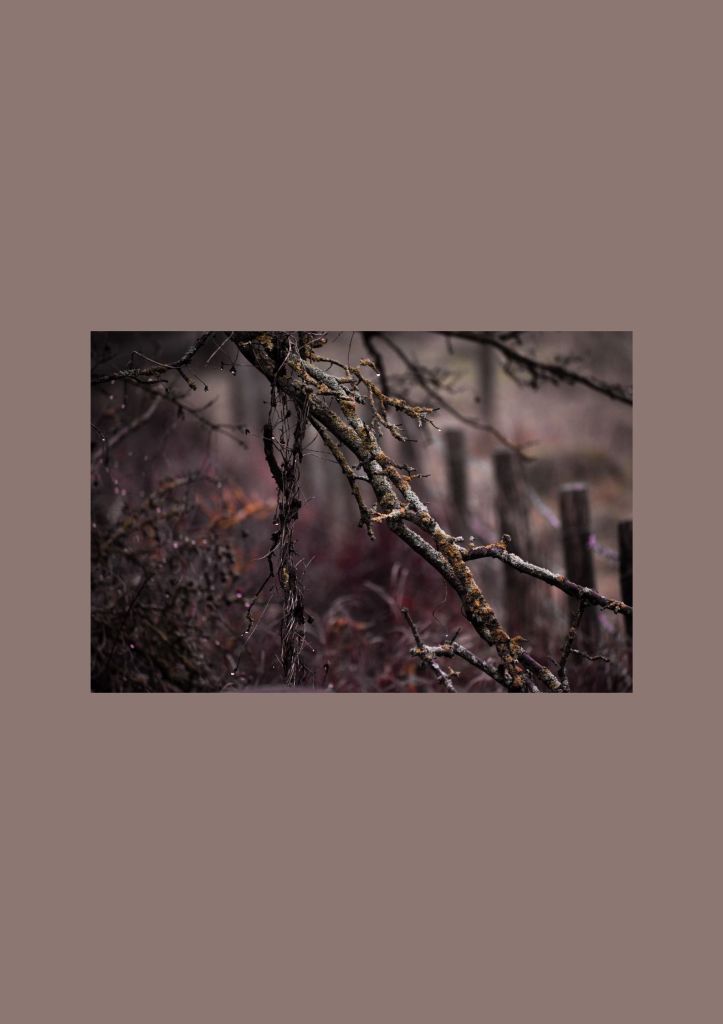
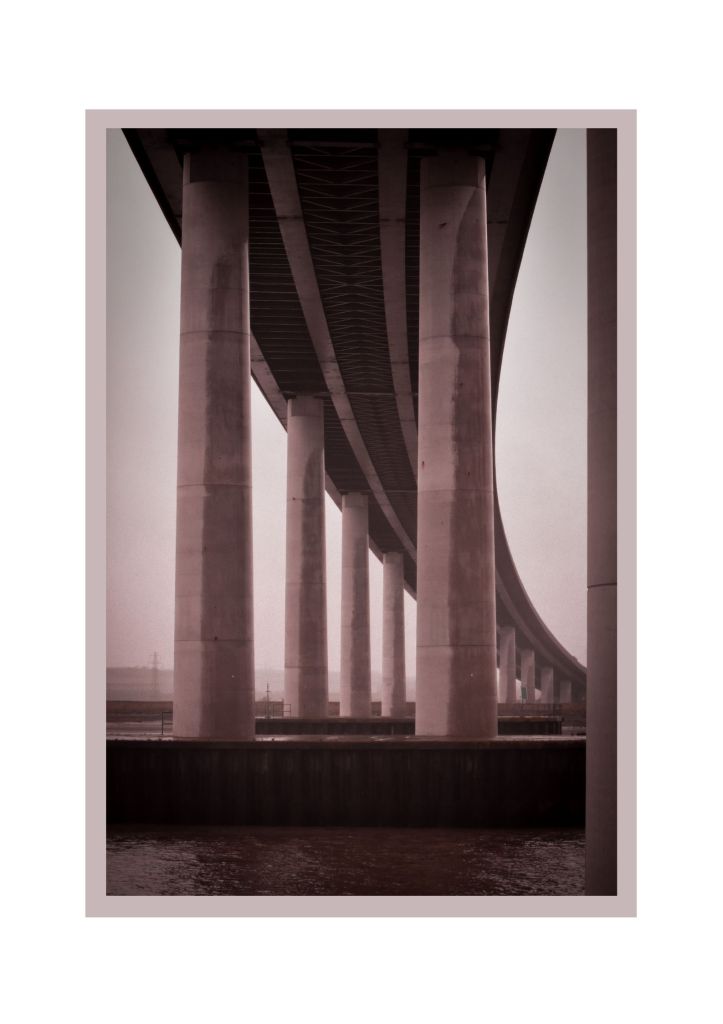
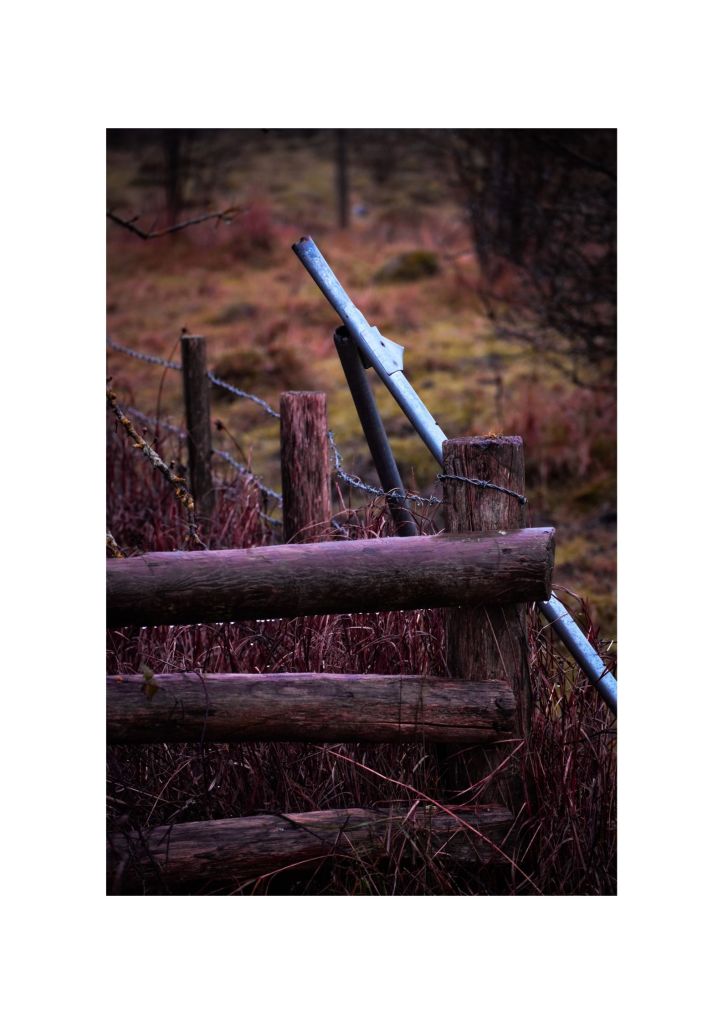
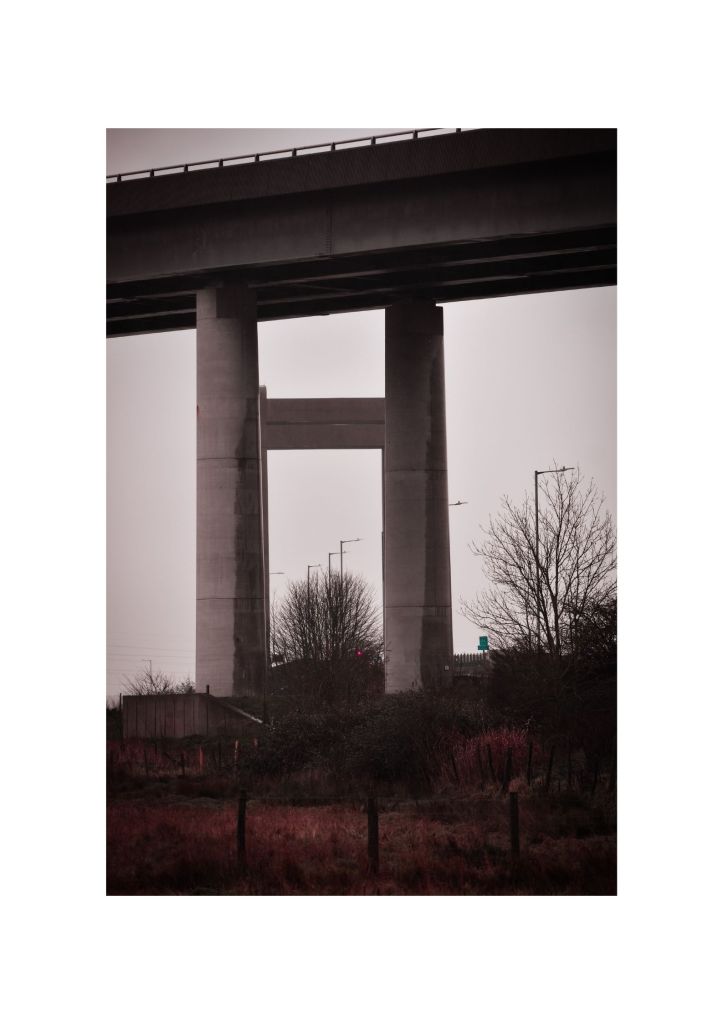
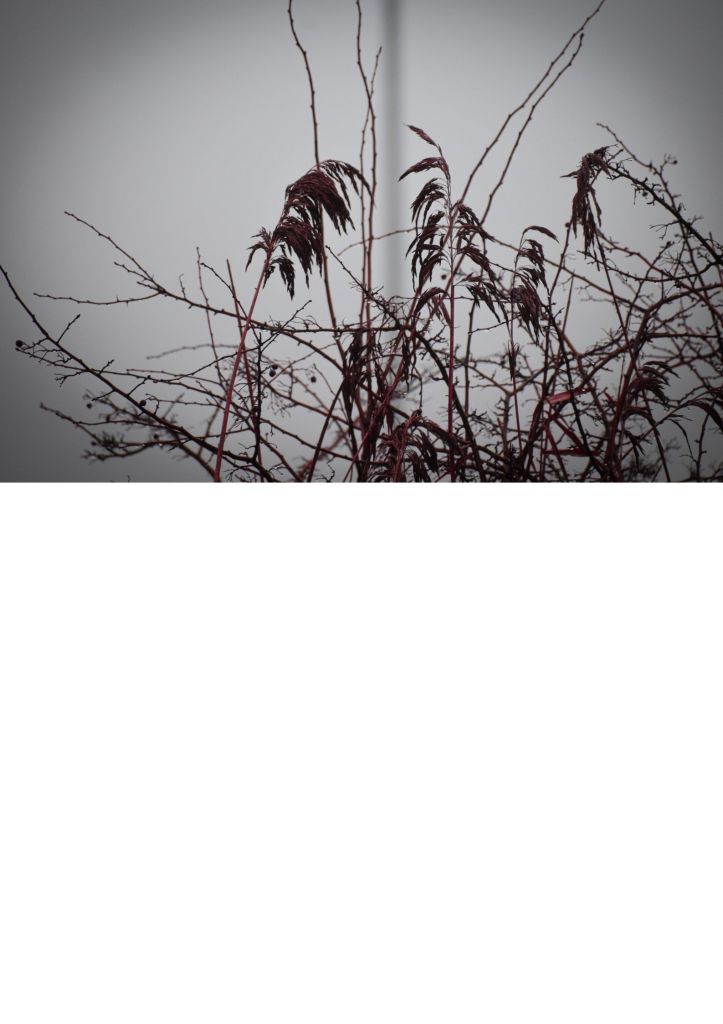
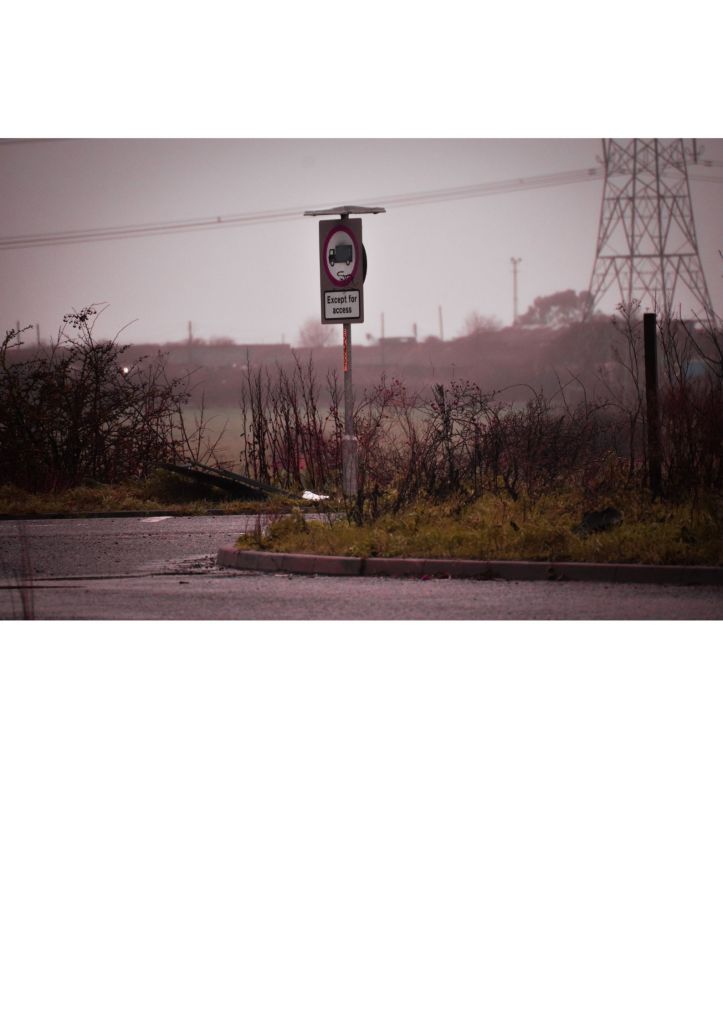
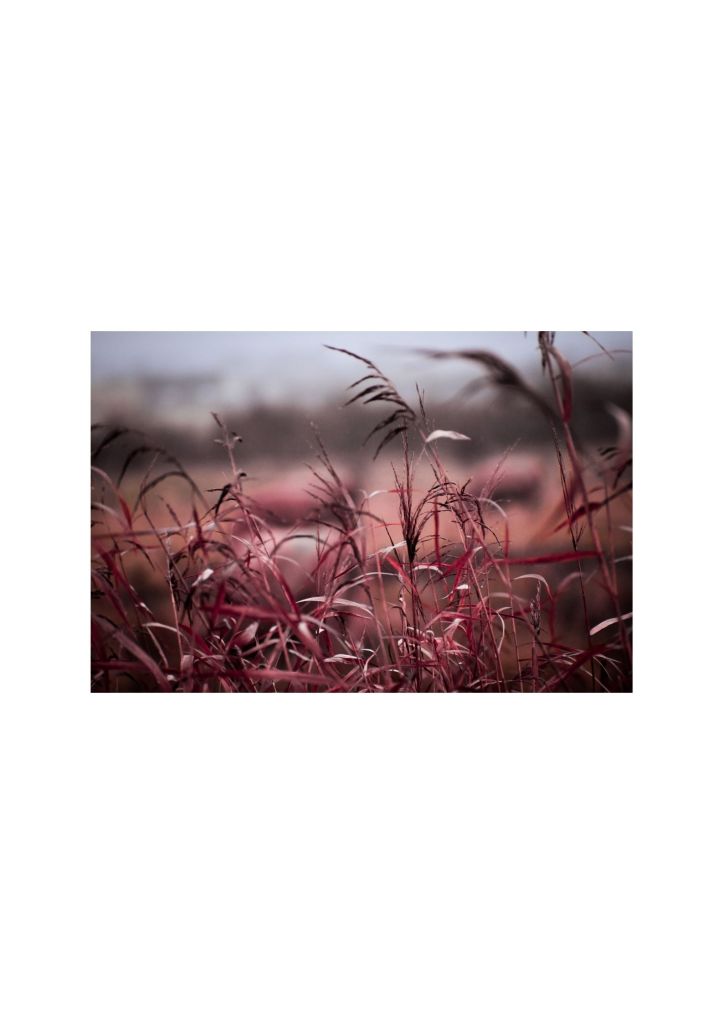
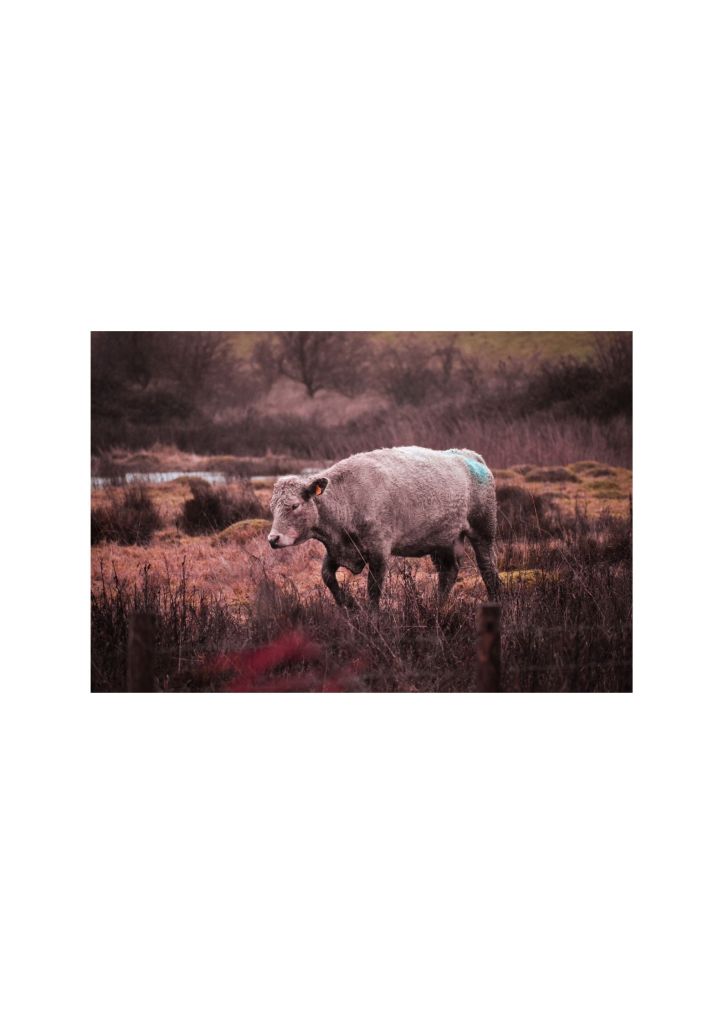
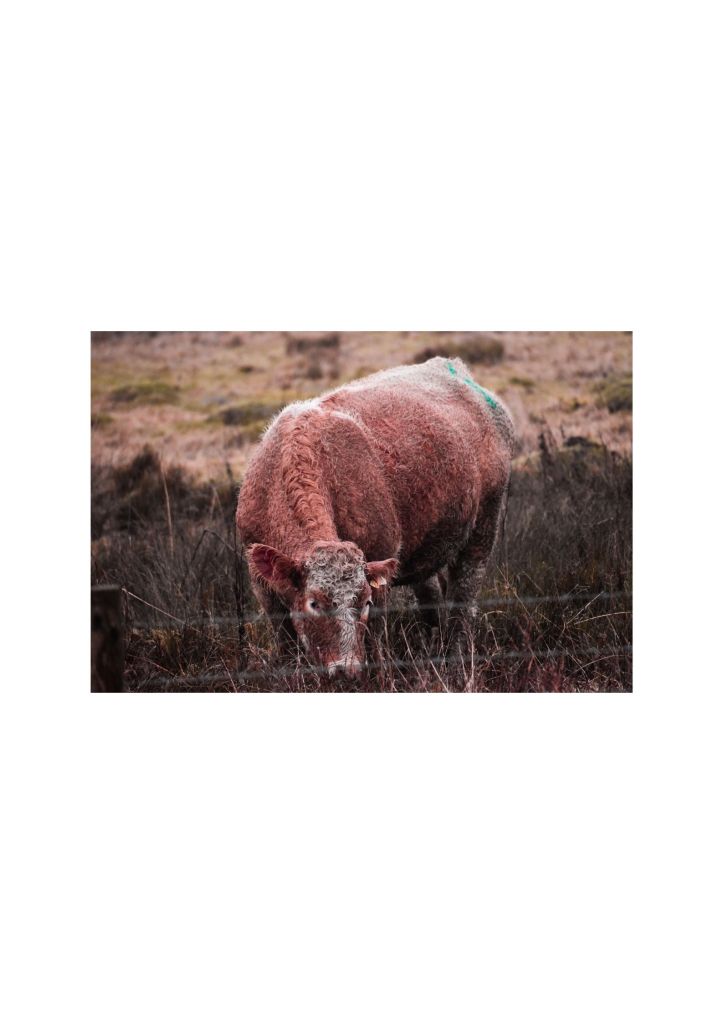
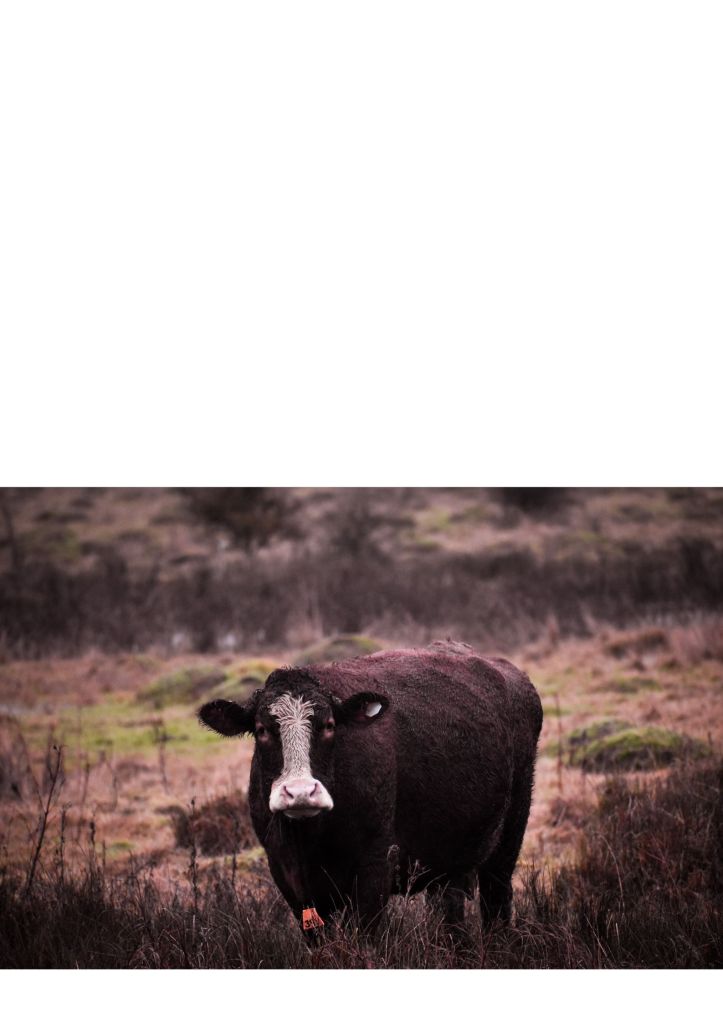
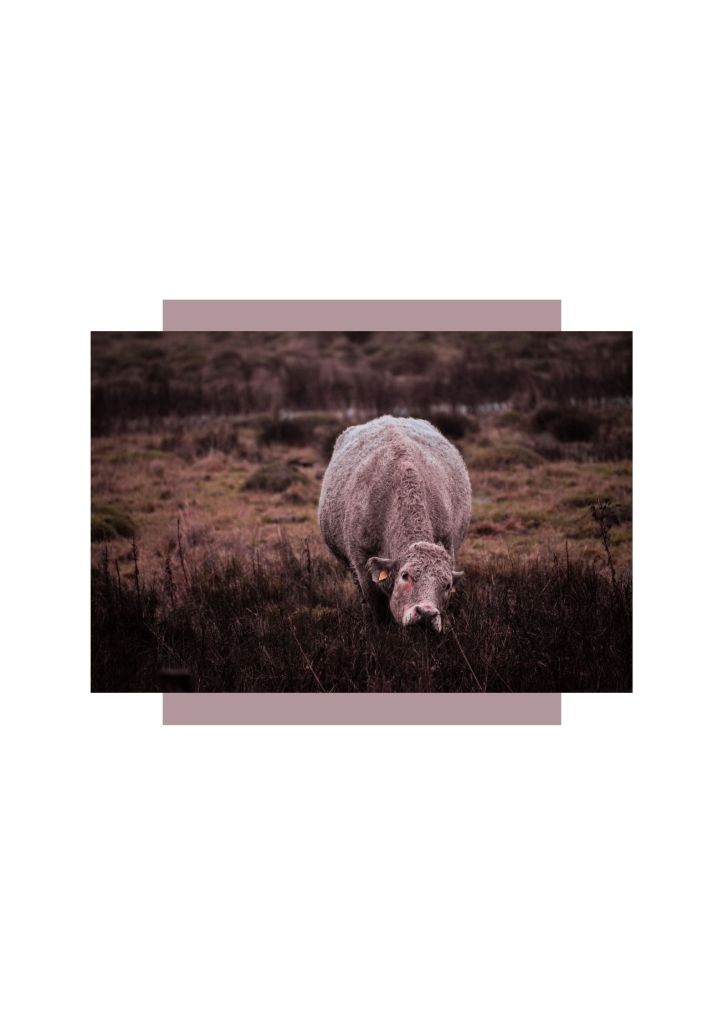
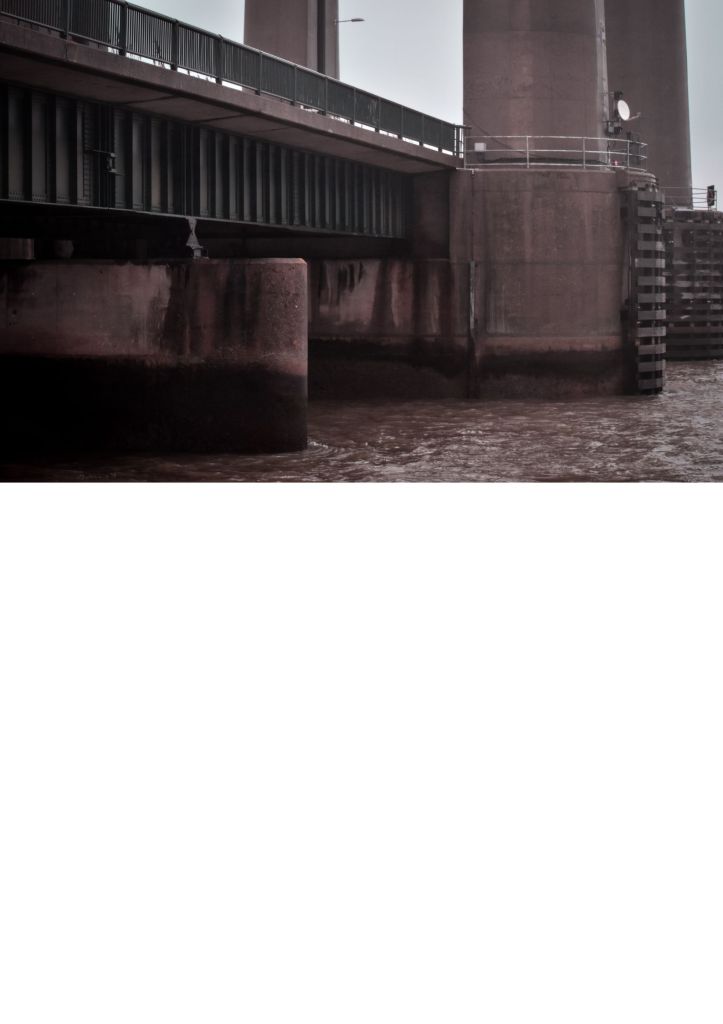
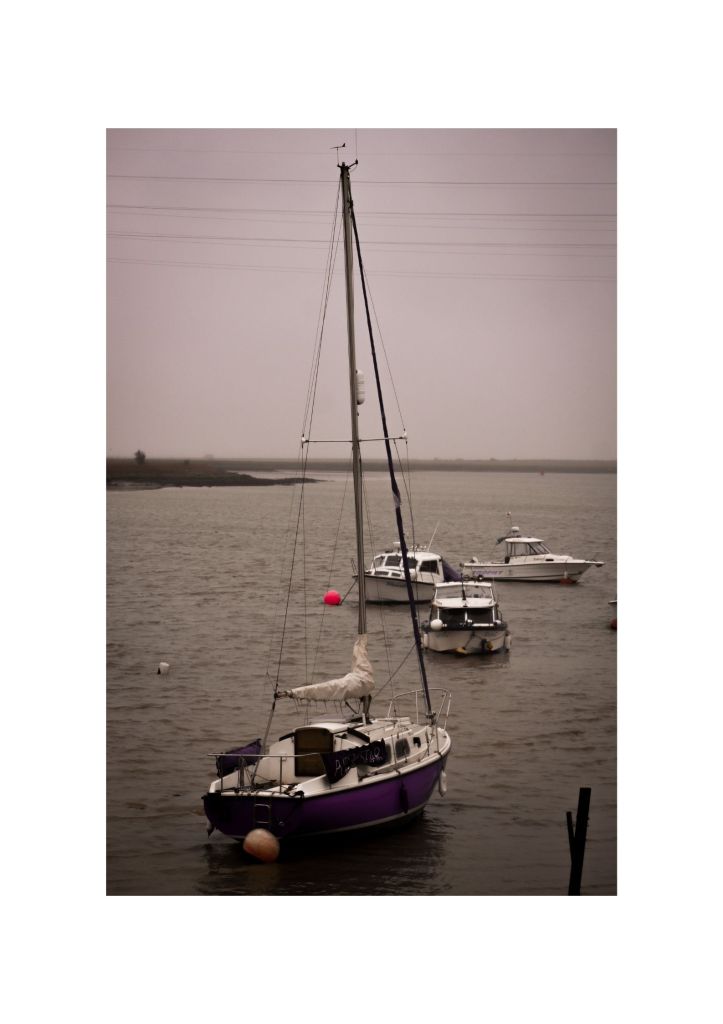
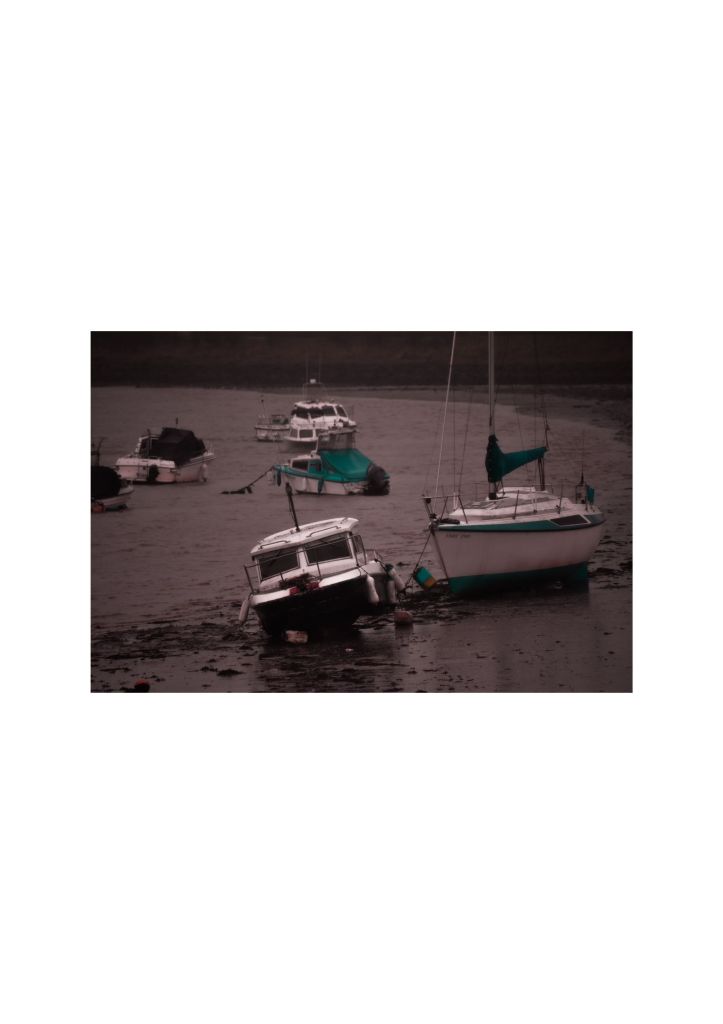
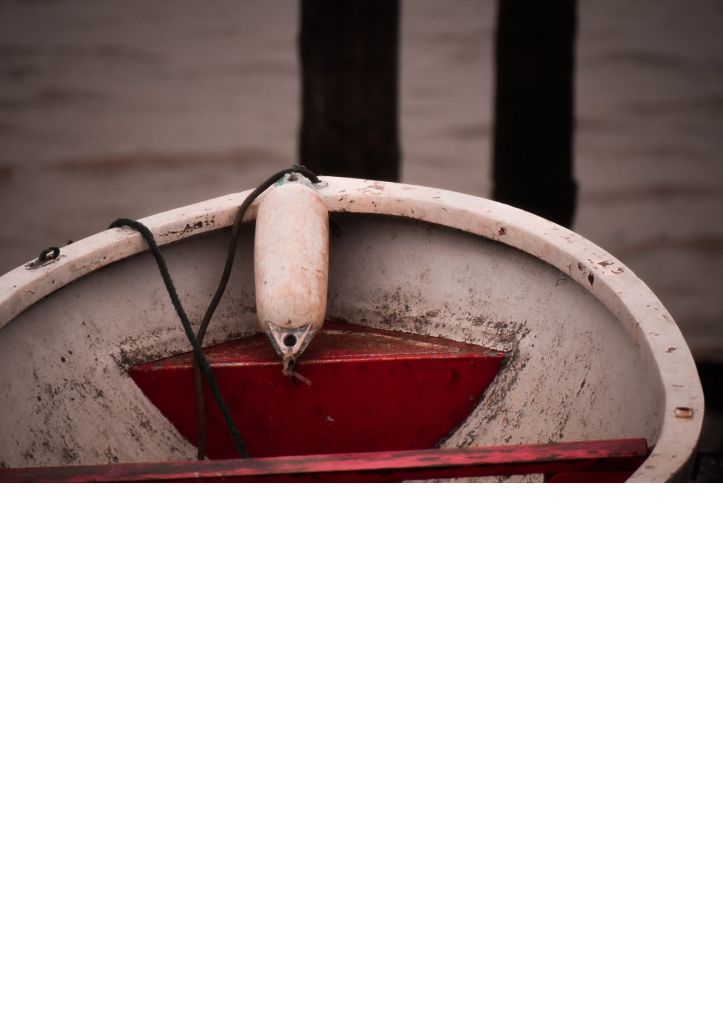
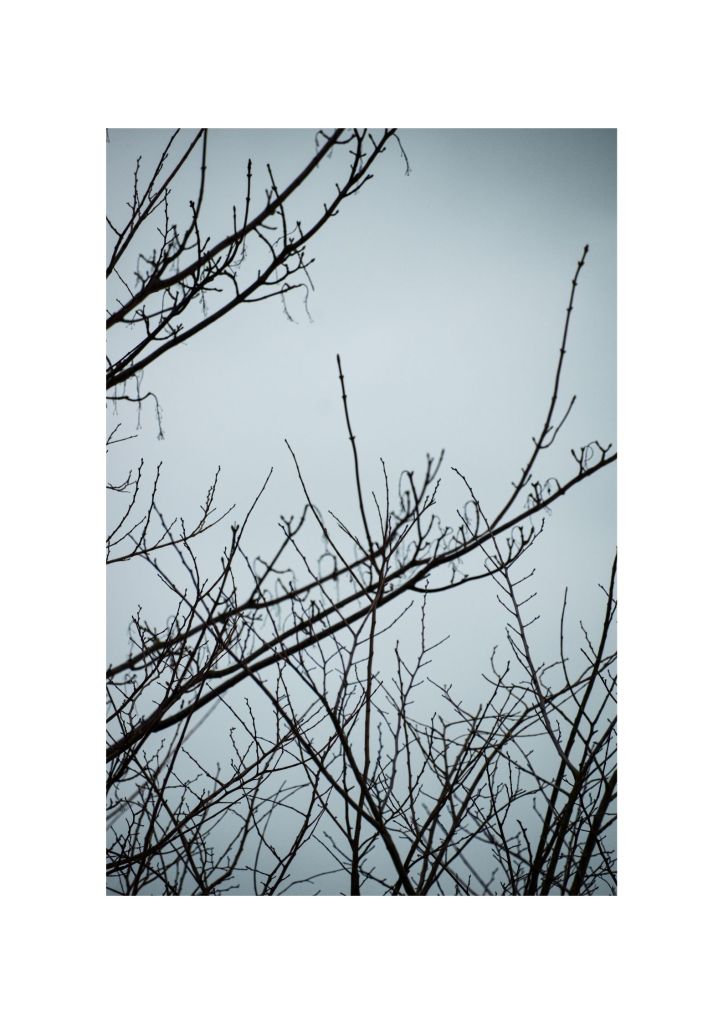
As I final response to my project I developed a 100 page Photobook featuring all of my best photographs, neatly chosen and organised to have a similar theme and a continual colour palette all throughout. I began my Photobook with the photographs I took bellow the Sheppey bridge, merging both rural and industrial: including landscapes, structures and animals. I spaced out the images, using block colour pages and negative space to neatly divide and present all of my photographs; organising the images into the order in which they were taken, showing my train of thought whilst in the process of taking them. I then incorporated some of my obstructive camera technique photographs, whilst gradually introducing the snow landscapes; allowing the colour palette to transition from warm tones (red, brown and pastel ink) to cool blues and greys.
For my final response I wanted to create something that showcased both my surrealist and cinematic work, a response that would demonstrate the successful exploration of my chosen theme and how it evolved over the course of my project. If I had had more time I would have liked to have produced a virtual gallery, to try and vary the way I present my work. Overall I am very happy with the outcome of my project and how it allowed me to explore and discover aspects of photography that I wouldn’t have necessarily been drawn to.
 Ellen Louise McDermott